
In the annals of military innovation, few technologies have reshaped modern warfare as profoundly as Unmanned Aerial Vehicles (UAVs), commonly known as drones. Once primarily tools for basic reconnaissance, drones have rapidly evolved into multi-role assets, becoming an indispensable component of contemporary defense strategies. Their integration into network-centric warfare and joint operations underscores their critical role in today’s intelligence-driven and often asymmetric conflicts.

The Unblinking Eye: Superior Surveillance and Reconnaissance
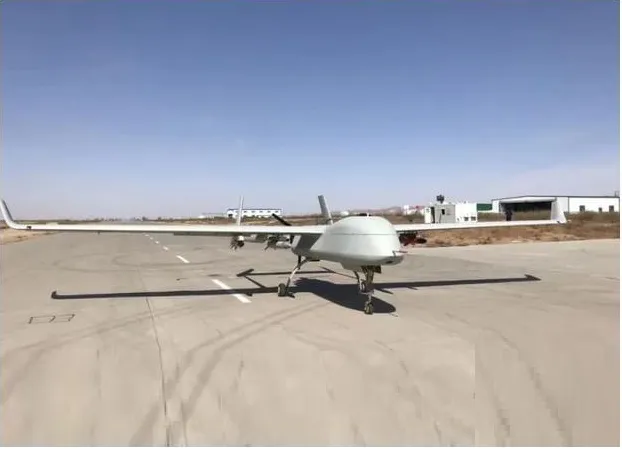
A cornerstone benefit of military drones is their unparalleled ability to provide real-time intelligence and situational awareness. Drones offer continuous aerial surveillance over hostile or otherwise inaccessible areas, extending the reach and endurance of intelligence gathering. Equipped with advanced Electro-Optical/Infrared (EO/IR) sensors, Synthetic Aperture Radar (SAR), and high-definition cameras, they perform day-and-night operations with precision. The data collected is immediately transmitted to command centers, enabling rapid and informed decision-making. High-Altitude Long Endurance (HALE) and Medium-Altitude Long Endurance (MALE) UAVs, such as the MQ-9 Reaper, Wing Loong, and CH-series, exemplify this capability, serving as vital platforms for persistent ISR missions.
Precision at a Distance: Empowering Strategic Strikes
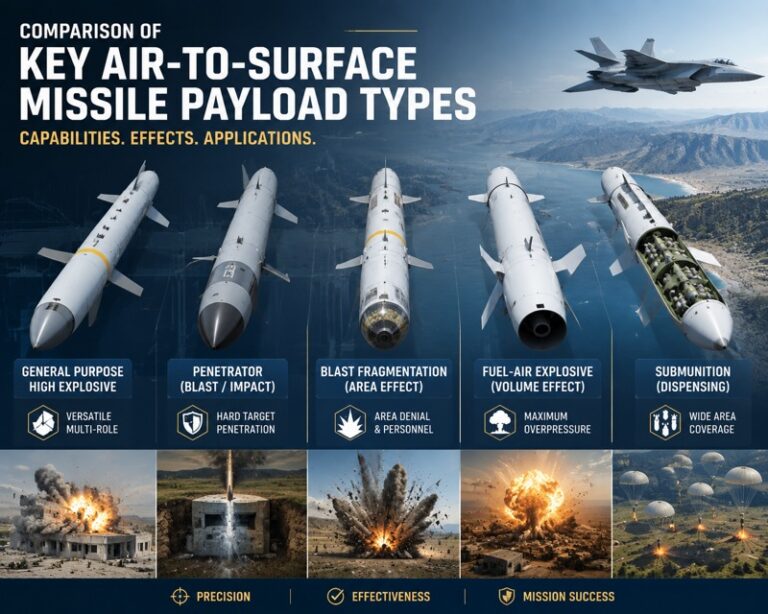
The advent of armed drones, or Unmanned Combat Aerial Vehicles (UCAVs), has revolutionized precision strike capability. These platforms can engage targets with guided munitions with remarkable accuracy, significantly reducing the potential for collateral damage. This capability lessens the necessity of deploying manned aircraft into high-threat airspace, preserving valuable human assets. Whether deploying drone-launched missiles or utilizing advanced loitering munitions for time-sensitive targets, UCAVs enable highly effective “surgical strikes” and play a crucial role in counter-terrorism operations, hitting specific targets with minimal wider impact.
Shielding Our Heroes: Enhanced Force Protection and Risk Reduction
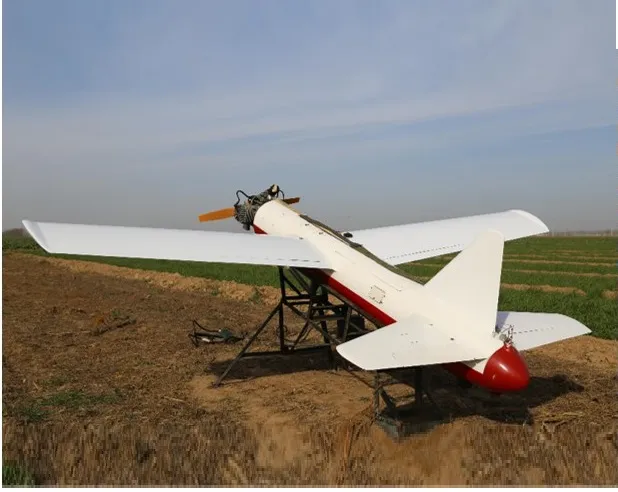
Perhaps the most compelling humanitarian benefit of military drones is their contribution to force protection and risk reduction. Drones are ideally suited for missions that are dangerous, dull, or dirty, such as reconnaissance in contested zones, mine detection, or CBRN (Chemical, Biological, Radiological, Nuclear) sampling. By taking on these high-risk tasks, drones drastically reduce the exposure of pilots and ground troops to hostile environments. They enhance overall troop safety through early threat detection, identifying dangers like Improvised Explosive Devices (IEDs), ambushes, or artillery positions before they can harm personnel.
Efficiency in the Skies: Cost-Effectiveness in Operations
Beyond their tactical advantages, drones offer significant cost-effectiveness. They are generally far cheaper to operate than comparable manned aircraft, incurring lower costs for fuel, crew training, and ongoing maintenance. Their simplified logistics and maintenance cycles further contribute to reduced overhead. This economic advantage enables persistent surveillance and operational presence without requiring the extensive infrastructure and financial outlay associated with traditional airbase operations.
Adaptable and Agile: Unmatched Operational Flexibility
The inherent operational flexibility of military drones makes them incredibly versatile. A single drone platform can often switch between various roles, including reconnaissance, strike, communication relay, or electronic warfare, adapting to dynamic mission requirements. They demonstrate effectiveness across diverse environments—maritime, desert, mountainous, and urban. Their scalability, from compact tactical UAVs to strategic, long-endurance platforms, allows commanders to select the right tool for any given scenario.

The Nerve Center: Data Gathering & Intelligence Fusion
Drones are pivotal in enhancing C4ISR (Command, Control, Communications, Computers, Intelligence, Surveillance, and Reconnaissance) capabilities. They serve as critical nodes within vast intelligence networks, seamlessly integrating with satellites, command centers, and manned systems to create a unified operational picture. The ongoing development of AI-based target recognition and automated threat assessment further amplifies their ability to process and fuse intelligence, delivering actionable insights with unprecedented speed.
Beyond Combat: Logistics and Support Operations
While often associated with combat, drones are increasingly extending their reach into logistics and support operations. They are being utilized for rapid supply drops, critical medical delivery, and battlefield resupply to troops in remote or dangerous locations. The future promises even more advanced applications, including autonomous cargo drones and specialized combat repair robots, further streamlining military supply chains and reducing risks to personnel.
The Strategic Edge: Psychological and Strategic Impact
The continuous presence of drones exerts a significant psychological and strategic impact. Their constant surveillance reduces an enemy’s freedom of movement and instills a sense of pervasive observation. This demonstrates technological superiority and the capability for precision warfare, providing both a tactical advantage and a powerful tool of strategic influence and deterrence.
Glimpse into Tomorrow: Future Outlook
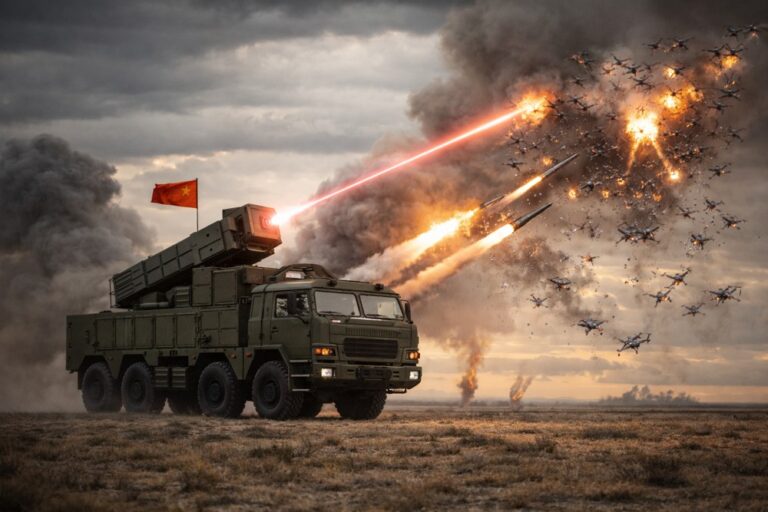
The trajectory of military drone technology points towards continuous innovation and integration. The horizon includes AI-driven autonomy, enabling drones to operate with greater independence and sophistication. Swarm technology, where multiple drones act in concert, promises overwhelming tactical advantages, as does Manned-Unmanned Teaming (MUM-T), where drones and manned aircraft operate collaboratively. Their integration into multi-domain operations (MDO), alongside the rise of micro drones and stealth UAVs, will define future battlefield environments, cementing their role as an indispensable asset for national defense.