
The modern battlefield has changed drastically over the last two decades. Consequently, the question of who makes military drones has become a critical inquiry for defense procurement officers worldwide. Unmanned Aerial Vehicles (UAVs) are no longer luxury assets; they are tactical necessities. From surveillance operations to precision strikes, drones define modern combat capabilities. Therefore, understanding the manufacturing landscape is essential for maintaining a strategic edge.
While historic giants in the United States and Israel dominated early development, the market has shifted. Today, a diverse array of state-owned enterprises and agile private companies drive innovation. Specifically, Chinese manufacturers have emerged as leaders in providing cost-effective, high-performance tactical systems. This article explores the global ecosystem of military drone production and highlights key players transforming the industry.

The Evolution of Military Drone Manufacturing
To understand who makes military drones, we must first categorize the technology. Military UAVs range from hand-held micro-drones to massive High-Altitude Long-Endurance (HALE) platforms. Historically, production was limited to nations with massive defense budgets. However, technological democratization has lowered barriers to entry. As a result, more nations now have domestic production capabilities.
This shift has created a segmented market. On one end, you have legacy Western contractors focusing on ultra-expensive platforms. On the other, dynamic manufacturers in Asia are optimizing supply chains for volume and versatility. Furthermore, the integration of commercial off-the-shelf (COTS) components has accelerated development cycles significantly.
Key Categories of Drone Manufacturers
Identifying the right supplier requires analyzing the type of manufacturer. Generally, entities that produce military drones fall into three primary categories.
1. State-Owned Defense Conglomerates
These are the heavyweights of the industry. Companies like the Aviation Industry Corporation of China (AVIC) or China Aerospace Science and Technology Corporation (CASC) exemplify this tier. They possess immense resources and government backing. Consequently, they produce sophisticated platforms like the Wing Loong or CH (Rainbow) series. These systems often rival Western equivalents like the MQ-9 Reaper in capability but at a fraction of the cost.
2. Private Tactical Systems Integrators
Below the state giants lie specialized private firms. These companies often focus on specific niches, such as tactical loitering munitions or mid-range ISR (Intelligence, Surveillance, and Reconnaissance) drones. Their agility allows them to adapt quickly to client needs. Moreover, they are frequently more accessible for international B2B procurement compared to heavily regulated state entities.
3. Dual-Use Technology Firms
Some manufacturers bridge the gap between commercial and military applications. For instance, companies originally focused on industrial inspection drones have adapted their airframes for defense purposes. This sector provides excellent value for logistics, perimeter security, and basic reconnaissance missions.
Why Chinese Manufacturers Are Dominating the Export Market
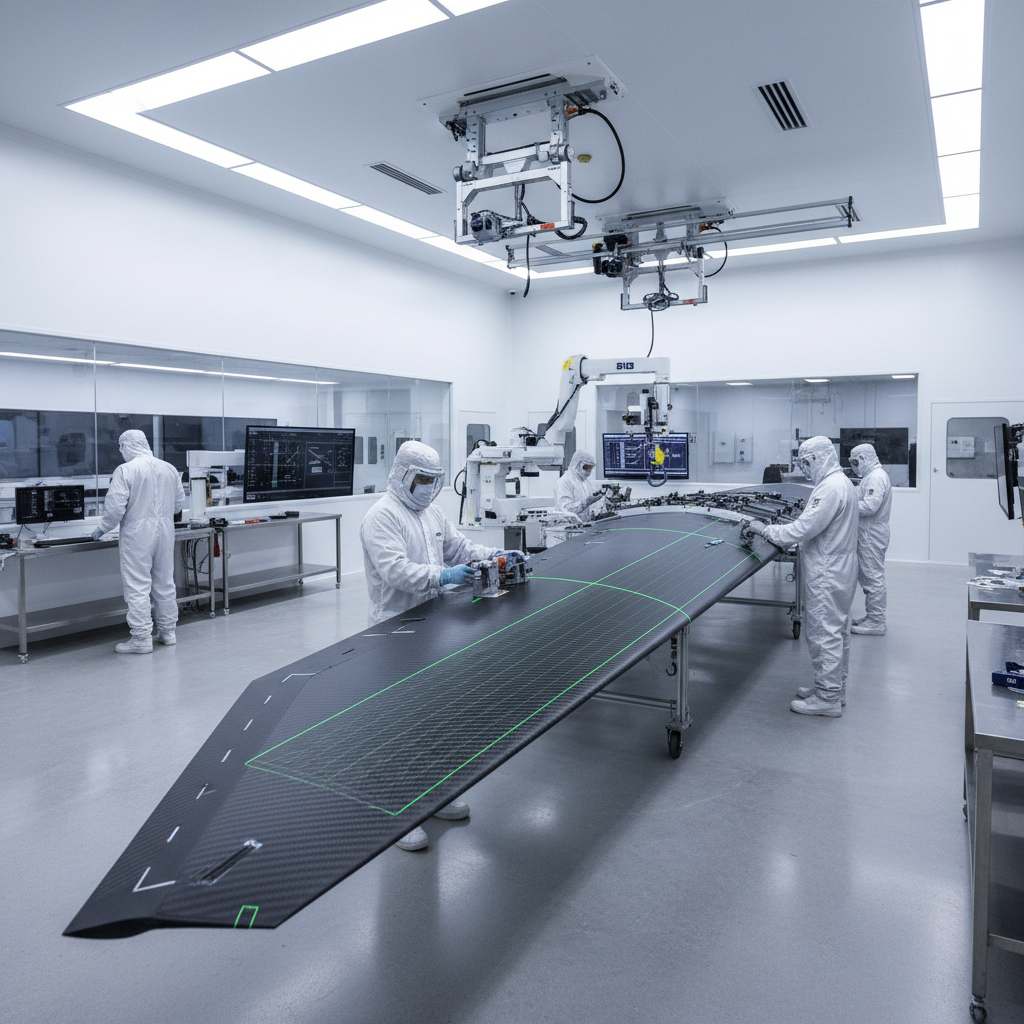
When asking who makes military drones for the global export market, China is a dominant answer. Several factors contribute to this status. First, the supply chain integration in hubs like Shenzhen and Chengdu is unmatched. Electronic speed controllers, carbon fiber molds, and advanced optics are all sourced locally. This proximity reduces lead times drastically.
Second, Chinese manufacturers offer flexible export policies compared to the strict ITAR regulations of the United States. This openness allows non-NATO allies to access top-tier technology. Furthermore, the after-sales support ecosystem has matured. Suppliers now provide comprehensive training and maintenance packages, ensuring operational readiness.
Comparative Analysis: Global vs. Chinese Production
To illustrate the differences in the market, we have compiled a comparison of typical manufacturing characteristics. This data helps procurement officers decide where to source their equipment.
| Feature | Western Manufacturers | Chinese Manufacturers | Implication for Buyer |
|---|---|---|---|
| Cost Structure | High Premium | Cost-Effective | Budget allows for larger fleet acquisition with Chinese options. |
| Export Control | Strict (ITAR/MTCR) | Flexible Regulations | Easier access for a wider range of international clients. |
| Customization | Rigid / Standardized | Highly Adaptable | Specific payload integration is easier with agile suppliers. |
| Lead Time | 18 – 36 Months | 6 – 12 Months | Faster deployment capabilities for urgent defense needs. |
| Technology Focus | Network Centric | Platform Performance | Chinese drones excel in endurance and payload capacity. |
Technical Components: Who Makes the Subsystems?
A drone is only as good as its subsystems. Therefore, knowing who makes military drones also involves knowing who makes the engines, sensors, and datalinks. In China, this ecosystem is robust.
- Propulsion Systems: Heavy fuel engines are critical for reliability. Domestic Chinese engines have reached maturity, offering high endurance specs.
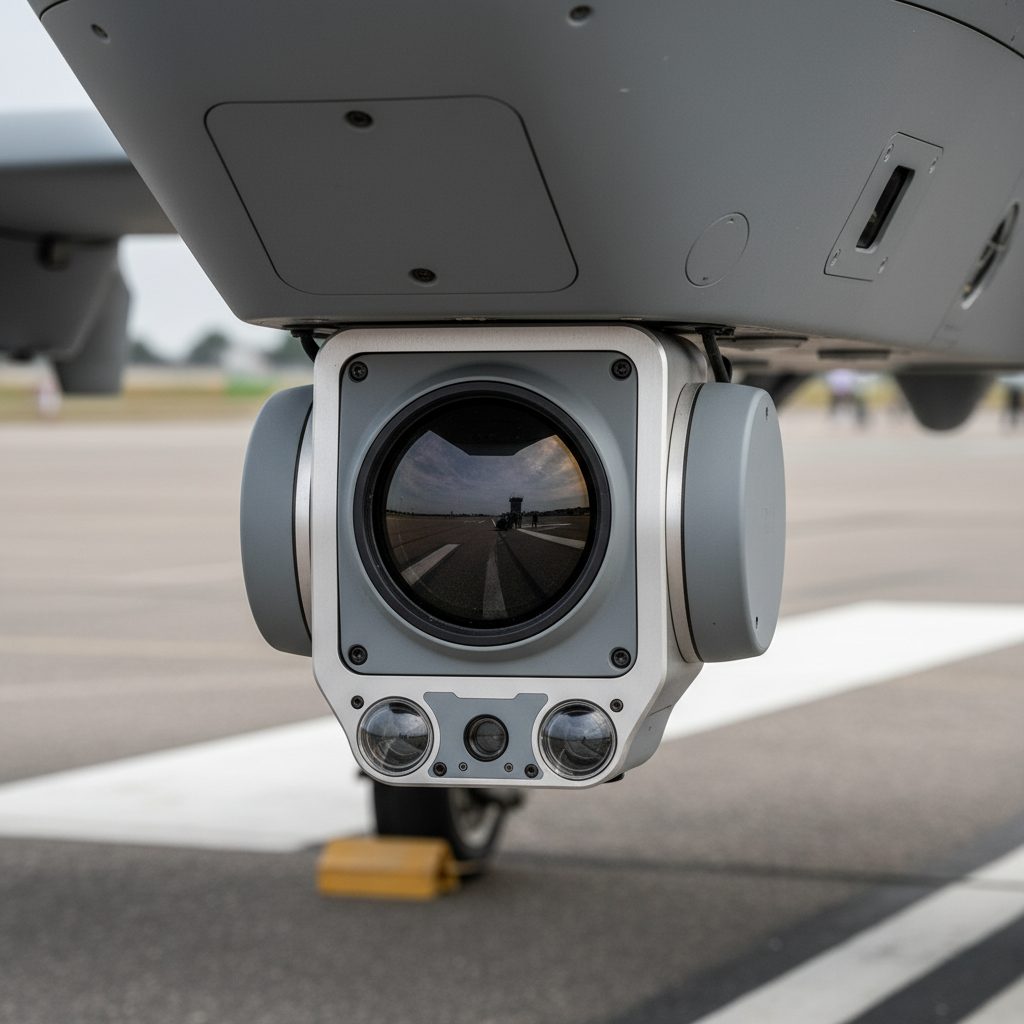
- Electro-Optical/Infrared (EO/IR): Advanced gimbals are essential for ISR. Manufacturers now produce sensors that rival European optics in clarity and stabilization.
- Avionics & Anti-Jamming: With the rise of electronic warfare, navigation resilience is key. Suppliers are integrating GNSS denial-resistant modules as standard features.
For more detailed information on specific payloads, you can visit our platform overview page. Understanding these components ensures that you specify the right requirements in your Request for Proposal (RFP).
Procurement Challenges and Solutions
Sourcing military equipment involves navigating complex logistics and compliance landscapes. One major challenge is verifying the quality assurance processes of the manufacturer. Reputable suppliers should adhere to ISO 9001 standards or specific military specifications (Mil-Spec). Consequently, conducting due diligence is non-negotiable.
Another challenge is integration. Can the new drone fleet communicate with existing command and control (C2) systems? Many Chinese manufacturers offer open-architecture SDKs. This feature facilitates seamless integration with legacy systems. For credible insights on global arms transfers and manufacturing trends, the Stockholm International Peace Research Institute (SIPRI) provides valuable data.
The Future of Drone Manufacturing
The industry is moving toward automation and AI. Future manufacturing lines will likely utilize more robotic assembly to ensure precision. Additionally, the materials used are evolving. We are seeing a shift toward lighter, stronger composites that extend flight times and reduce radar cross-sections. In this race, Chinese innovation continues to accelerate, driven by intense domestic competition and strong export demand.
In conclusion, the answer to who makes military drones is multifaceted. While Western primes hold the high ground on legacy tech, Chinese manufacturers are winning the volume and value war. For defense contractors looking for reliable, scalable solutions, the Asian market offers compelling advantages. From tactical quadcopters to strategic fixed-wing assets, the options are vast.
Are you looking to modernize your defense capabilities with proven UAV platforms? Contact our CAMD team of experts today to discuss specifications and procurement logistics.