
Modern warfare has undergone a paradigm shift over the last two decades. Central to this evolution is the rapid proliferation of unmanned systems. Consequently, defense contractors and procurement officers often ask: what are military drones and how do they redefine the battlefield? Technically known as Unmanned Aerial Vehicles (UAVs) or Unmanned Aerial Systems (UAS), these platforms are no longer just supplementary tools. Instead, they have become the backbone of tactical intelligence and precision strikes.
Understanding the technical landscape of military drones is crucial for effective procurement. It requires looking beyond the airframe itself. One must consider the integrated avionics, payload capacity, and ground control logistics. This guide provides a comprehensive technical overview of military UAVs for industry professionals.
Defining the Unmanned Aerial System (UAS)
To accurately answer “what are military drones,” one must distinguish between the vehicle and the system. The term “drone” typically refers to the flying platform. However, in professional defense circles, the term UAS is preferred. This distinction is vital for logistics and budgeting.
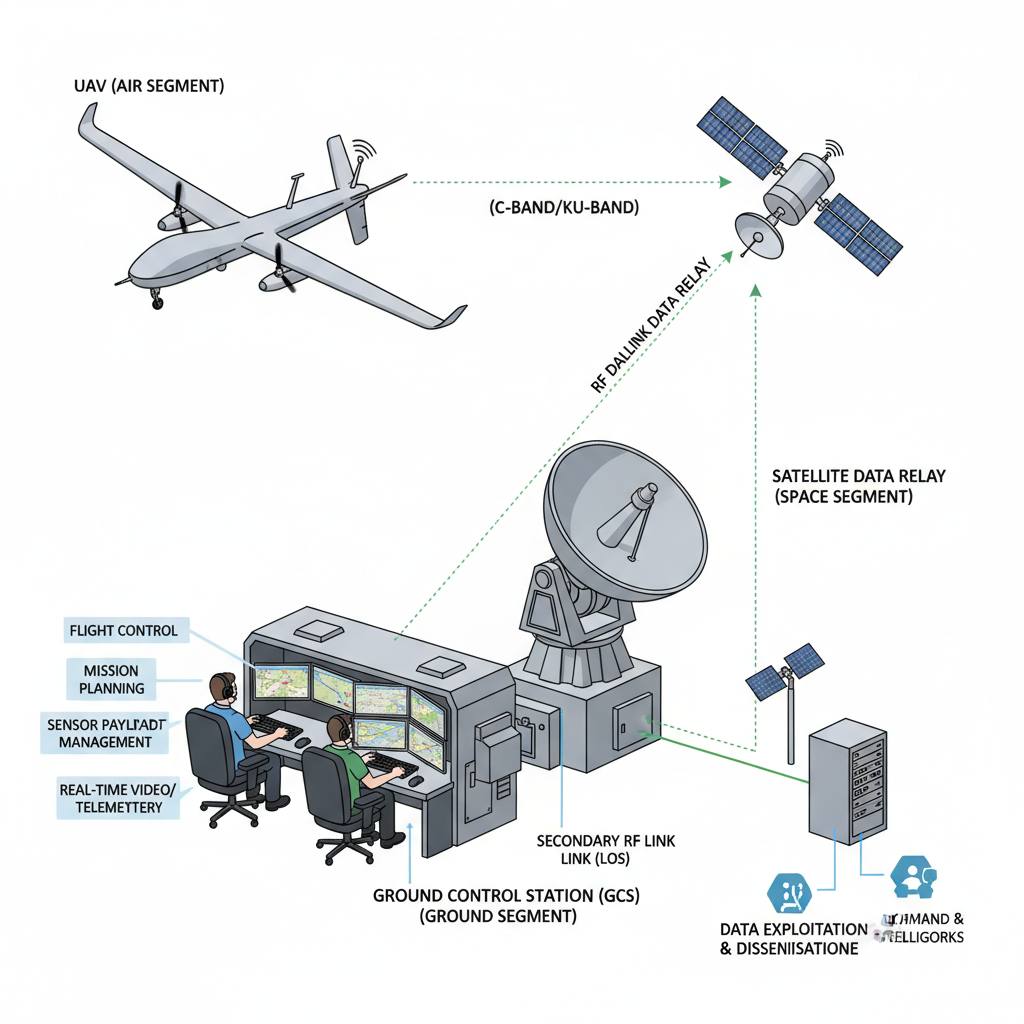
A complete UAS comprises three main components. First, there is the UAV itself, which carries the payload. Second, the Ground Control Station (GCS) allows human operators to pilot the craft or monitor autonomous flights. Third, the data link architecture ensures real-time communication between the GCS and the aircraft. Therefore, when procuring Chinese military equipment, buyers are acquiring a complex network of systems, not just a flying machine.
Classifications of Military Drones
Military drones are categorized by size, range, and endurance. These classifications help commanders deploy the right asset for specific missions. Generally, the industry follows NATO-standard classifications. Understanding these categories is essential for selecting the appropriate equipment for your inventory.
Class I: Micro, Mini, and Small UAVs
These are the smallest units in the fleet. Typically, they are hand-launched or utilize lightweight catapults. Their primary function is “over-the-hill” reconnaissance for infantry squads. Due to their electric propulsion, they possess a low acoustic signature. Consequently, they are difficult for enemy forces to detect. Furthermore, their portability makes them ideal for rapid deployment in urban environments.
Class II: Tactical UAVs
Tactical drones bridge the gap between squad-level assets and strategic platforms. They usually require a runway or a vehicle-mounted launcher. These systems offer extended endurance, often ranging from 10 to 24 hours. Additionally, they can carry heavier payloads, including multi-spectral sensors and laser designators. Defense forces use them for brigade-level intelligence gathering.
Class III: MALE and HALE Systems
At the top of the hierarchy are Medium-Altitude Long-Endurance (MALE) and High-Altitude Long-Endurance (HALE) drones. These platforms operate at altitudes exceeding 30,000 feet. Moreover, they can remain airborne for over 24 hours. They are strategic assets used for theater-wide surveillance and precision strikes. You can learn more about specific tactical UAV options available in our catalog.
| Classification | Operational Range | Endurance | Typical Payload | Mission Profile |
|---|---|---|---|---|
| Class I (Micro/Mini) | < 25 km | 1 – 2 Hours | EO/IR Camera | Close Reconnaissance |
| Class II (Tactical) | 100 – 200 km | 6 – 12 Hours | Laser Designator, SAR | Target Acquisition |
| Class III (MALE) | > 500 km (SATCOM) | 20+ Hours | Missiles, SIGINT | Strategic Strike/ISR |
Key Operational Capabilities
When analyzing what are military drones capable of, we must look at their mission modules. Versatility is a key selling point for modern Chinese defense products. Modular designs allow operators to swap payloads based on the mission requirements.
- ISR (Intelligence, Surveillance, and Reconnaissance): This is the foundational role of military drones. High-definition optical sensors and synthetic aperture radar (SAR) allow for all-weather monitoring.
- Combat and Precision Strike: Armed UAVs reduce the risk to human pilots. They can deliver air-to-ground missiles with extreme accuracy. Furthermore, loitering munitions, often called “suicide drones,” can hover until a target is identified.
- Electronic Warfare (EW): Advanced drones can carry jamming pods. These payloads disrupt enemy communications and radar systems. Consequently, they blind the adversary before the main assault begins.
- Logistics and Resupply: Heavy-lift drones are emerging as vital logistical tools. They can transport ammunition and medical supplies to forward operating bases autonomously.

Critical Technologies in Modern UAVs
The effectiveness of a military drone relies on its internal technology. Procurement officers should focus on specific technical specifications during the evaluation process. For instance, anti-jamming capabilities are paramount in contested environments.
Navigation and Communication
Most commercial drones rely solely on GPS. In contrast, military-grade systems utilize inertial navigation systems (INS) as a backup. This ensures the aircraft can navigate even if satellite signals are jammed. Additionally, encrypted data links prevent unauthorized interception of video feeds. For long-range operations, SATCOM (Satellite Communication) is required to fly Beyond Line of Sight (BLOS).
Sensor Fusion
Modern payloads combine multiple sensors into a single gimbal. This often includes a daylight camera, a thermal imager, and a laser rangefinder. Sensor fusion software stitches these inputs together. As a result, the operator receives a comprehensive situational picture. For detailed information on sensor integration, reputable sources like Janes Defence News offer in-depth analysis on global standards.
Procurement Considerations for Importers
Sourcing military drones involves navigating complex regulations and supply chain variables. For international buyers, choosing the right supplier is as important as the hardware itself. Chinese manufacturers offer a strategic balance of advanced technology and cost-efficiency.
Export Compliance and Certification
Ensure that the equipment meets international export standards. Legitimate suppliers will provide all necessary End-User Certificates (EUC). Furthermore, verify that the manufacturing facilities adhere to ISO quality standards. This guarantees reliability and consistency across large orders.
After-Sales Support and Training
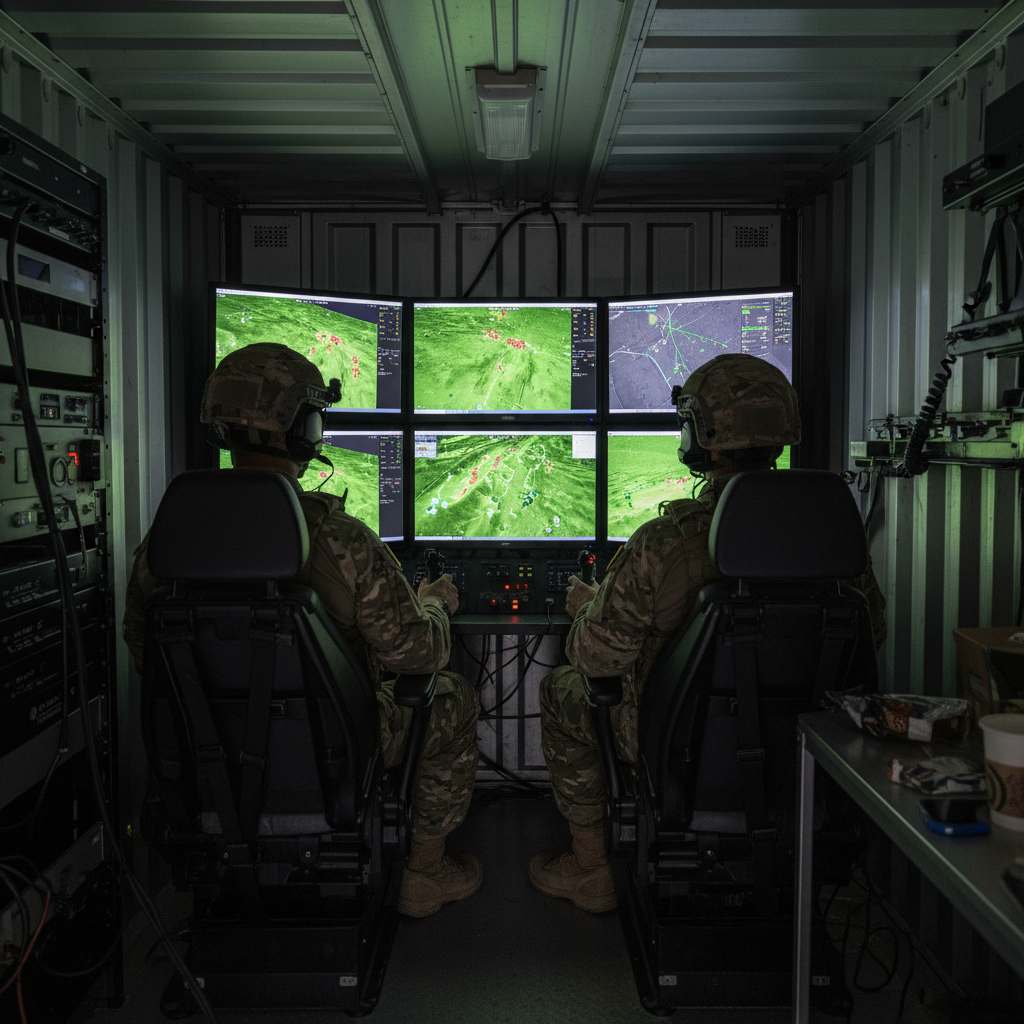
A drone is useless without a skilled operator. Therefore, procurement contracts must include training packages. This includes simulator training and live-flight instruction. Moreover, establish a clear supply chain for spare parts. Military drones require regular maintenance intervals, known as Time Between Overhaul (TBO). A reliable supplier ensures that spare parts are readily available to minimize downtime.
Conclusion
So, what are military drones? They are sophisticated, integrated systems that provide unmatched tactical advantages. From microscopic surveillance units to strategic combat aircraft, UAVs have revolutionized defense strategies. For procurement officers, understanding the nuances of classification, payload, and logistics is vital.
By leveraging the robust manufacturing capabilities of the Chinese defense sector, contractors can access top-tier technology. Prioritize systems that offer modularity, anti-jamming features, and comprehensive support. If you are ready to enhance your defense capabilities with state-of-the-art unmanned systems, reach out to our team today.