

Showing 1–12 of 32 results
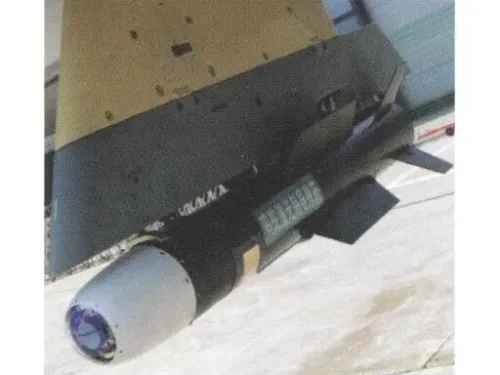
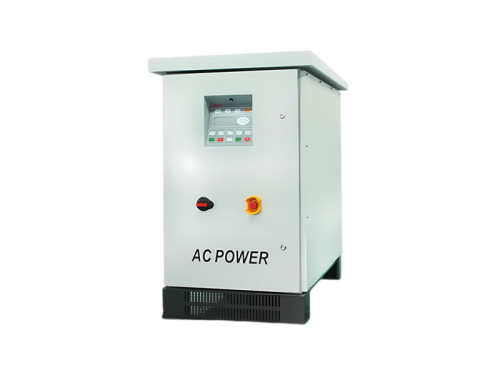

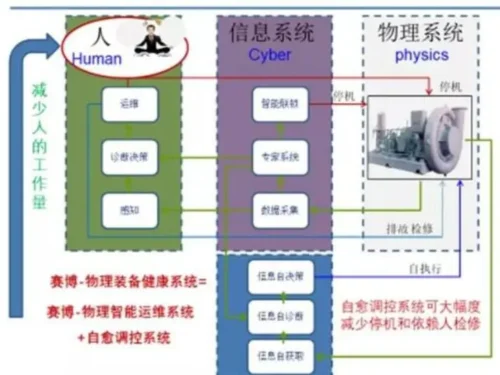

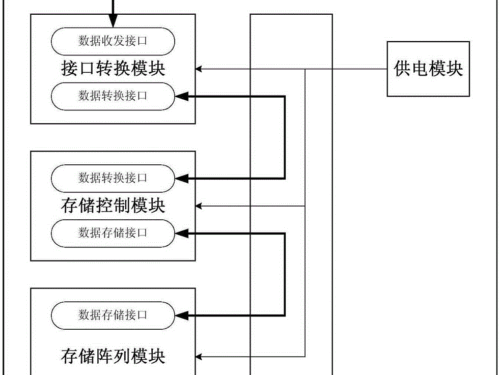
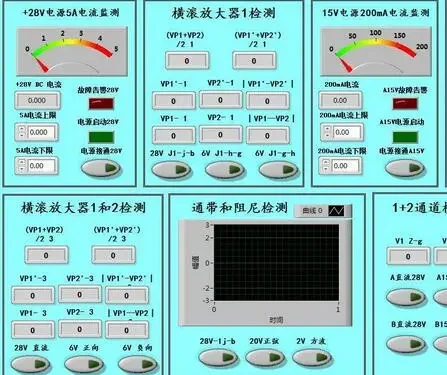


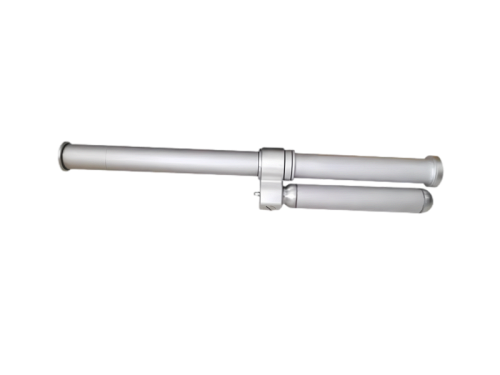
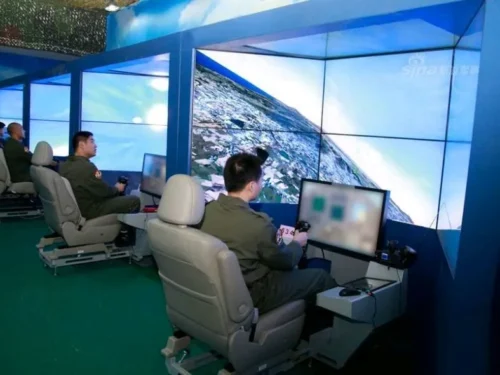
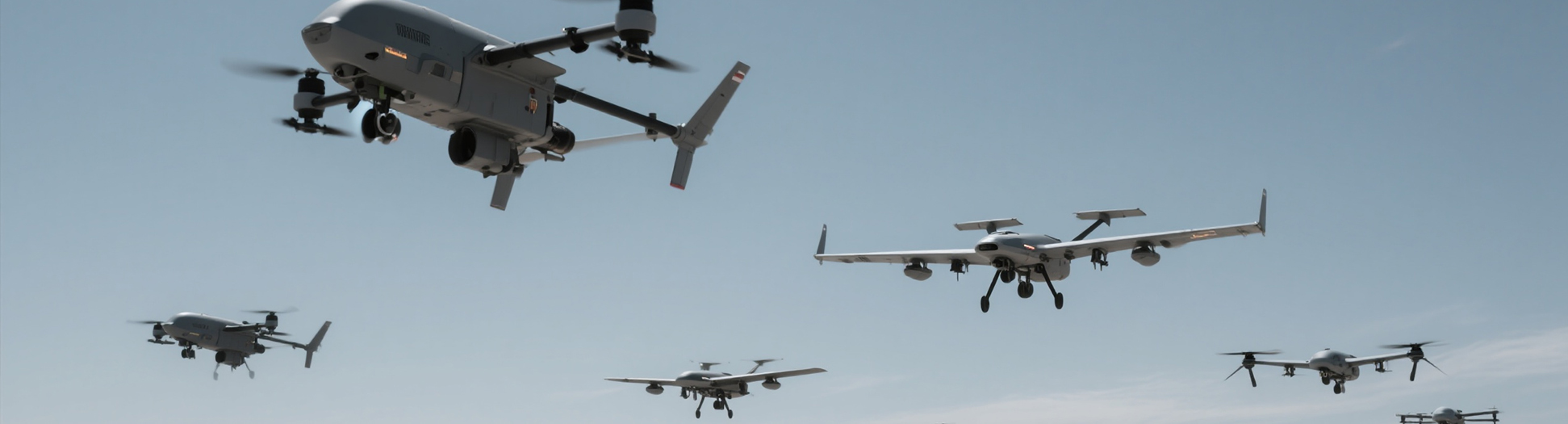
Beyond core drone platforms, a growing ecosystem of advanced unmanned technologies and complementary systems is transforming industries and defense operations. These “other products” include ground control stations, AI-powered software suites, drone-in-a-box solutions, counter-UAS (C-UAS) systems, robotic ground vehicles (UGVs), and hybrid autonomous platforms. Designed to enhance interoperability, automation, and mission flexibility, these innovations extend the value of aerial systems by enabling smarter operations, improved data analysis, and integrated multi-domain solutions for both military and commercial users.
Drone-in-a-box systems represent a leap forward in unmanned autonomy, featuring fully automated launch, landing, battery swapping, and data transmission—all from a rugged, weatherproof enclosure. These setups enable 24/7 monitoring for applications like perimeter security, critical infrastructure inspection, and border surveillance. Paired with AI-driven software, drones can now perform automated flight planning, real-time object detection, and anomaly recognition. Advanced ground control stations offer intuitive interfaces for managing single or multi-drone fleets, supporting BVLOS (Beyond Visual Line of Sight) missions with secure, long-range communication links.
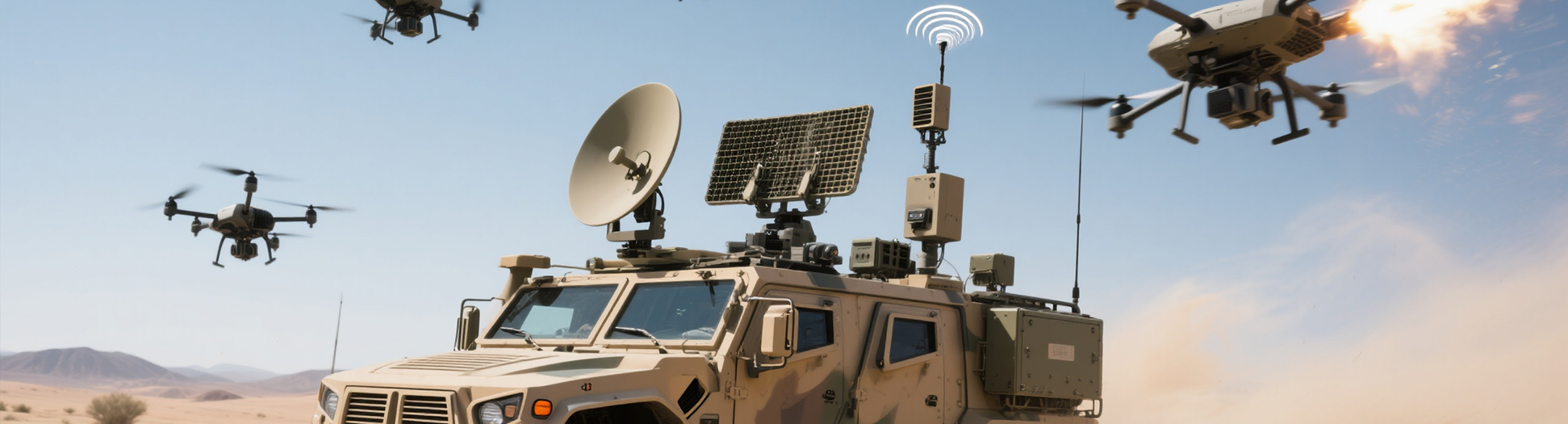
As drone usage grows, so does the need for effective countermeasures. Counter-UAS (C-UAS) products detect, identify, track, and neutralize unauthorized or hostile drones using RF detection, radar, RF jamming, or even kinetic interception. These systems protect sensitive sites such as airports, military bases, government facilities, and major public events from privacy breaches, espionage, or potential attacks. Integrated C-UAS platforms provide layered defense with real-time alerts and automated response protocols, ensuring airspace security in an increasingly crowded and complex drone environment.
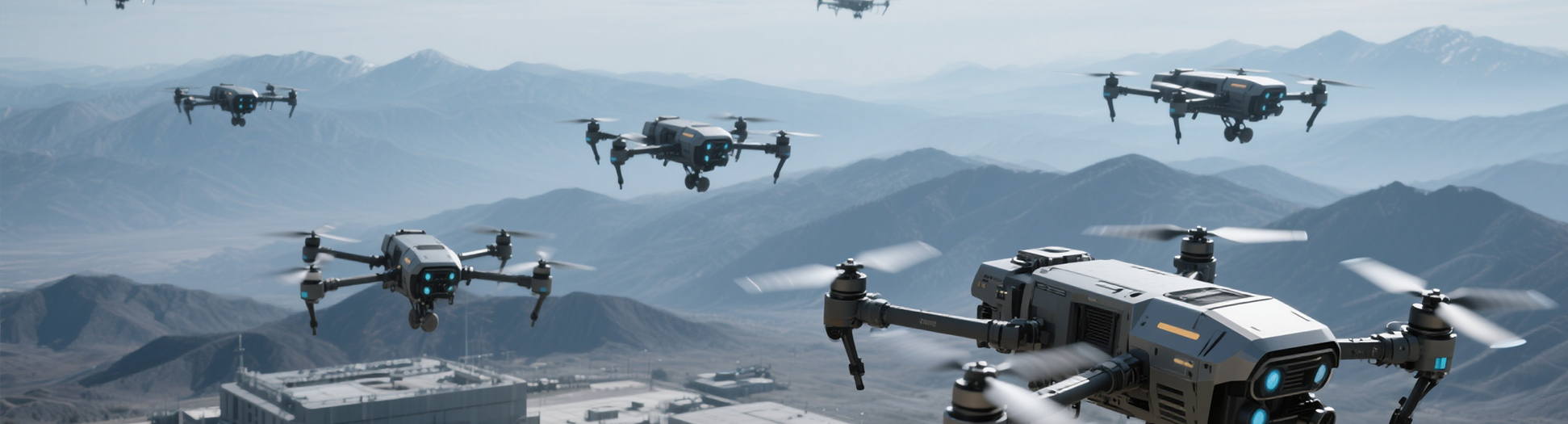
The future of unmanned systems lies in cross-domain integration—linking aerial drones with unmanned ground vehicles (UGVs) and maritime robots for coordinated missions. For example, a ground robot can deploy a small UAV to scout ahead in disaster zones or urban combat. Modular payload systems, open-architecture APIs, and swarm coordination software are enabling scalable, mission-adaptable solutions across defense, logistics, and industrial automation. As 5G connectivity, edge computing, and artificial intelligence continue to evolve, these “other products” will drive the next generation of intelligent, autonomous, and interconnected robotic systems.