
he landscape of modern combat has shifted irreversibly. From the high-altitude surveillance of the RQ-4 Global Hawk to the tactical strikes of the Bayraktar TB2, Unmanned Aerial Vehicles (UAVs) are no longer just support assets—they are central to operational doctrine.
However, as militaries worldwide—from the US to China—accelerate their unmanned programs, it is critical to objectively evaluate the strategic advantages and the technical limitations of these systems.
Below, we explore the Pros and Cons of Drones in the Military, analyzing their impact on efficiency, cost, and tactical risk.
The Pros of Military Drones
Military UAVs offer transformative capabilities that manned aircraft simply cannot match, particularly regarding endurance and risk mitigation.
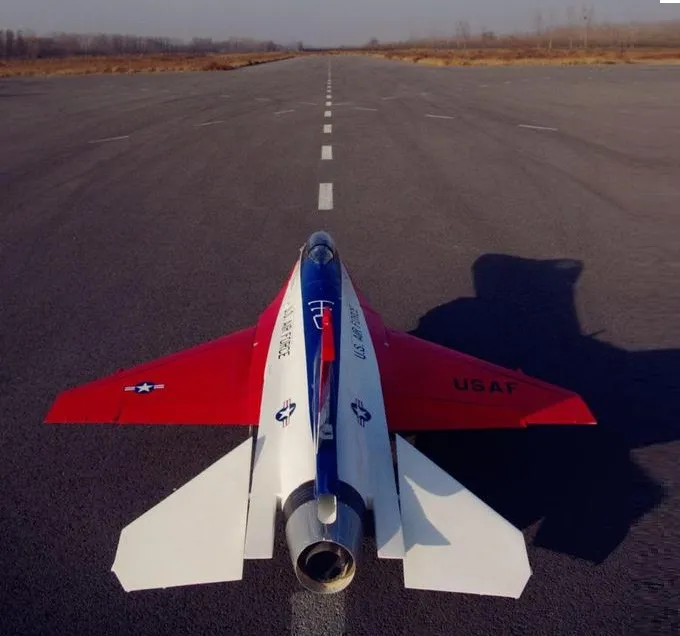
Enhanced Personnel Safety
The most significant advantage is the removal of the pilot from the cockpit.
- Risk Mitigation: In “Dull, Dirty, and Dangerous” missions—such as SEAD (Suppression of Enemy Air Defenses) or chemical reconnaissance—commanders can deploy assets without risking a pilot’s life / capture.
- Political Safety: The loss of a drone (e.g., an MQ-9 Reaper) carries a significantly lower political cost and public outcry than the loss of a human pilot.
Superior Endurance and Persistence
Physical fatigue limits human pilots. A fighter pilot in a J-16 or F-35 is limited by physiological constraints (G-force, fatigue, bathroom breaks).
- Loitering Capability: MALE (Medium-Altitude Long-Endurance) drones can loiter over a target for 24 to 40+ hours. This “persistent stare” capability is vital for establishing Patterns of Life (POL) intelligence before a strike.
- Continuous ISR: With aerial refueling (now being tested on platforms like the X-47B or MQ-25), drone operations are limited only by mechanical maintenance, not human endurance.
Cost-Efficiency
While high-end stealth drones are expensive, the general operational cost is lower than manned equivalents.
- Acquisition Cost: A standard tactical drone costs a fraction of a 5th-generation fighter jet.
- Training Hours: Training a drone operator is generally faster and less expensive than training a fighter pilot, who requires hundreds of flight hours in expensive airframes.
Operational Stealth and Size
Smaller UAVs and Loitering Munitions (like the Switchblade 600) have a naturally low Radar Cross Section (RCS).
- Detectability: Small composite airframes are difficult for legacy air defense radars to detect and track compared to large, metallic manned fighters.
The Cons of Military Drones
Despite their dominance, drones are not invincible. They introduce new vulnerabilities into the military ecosystem.

Susceptibility to Electronic Warfare
Unlike a pilot who can look out the window and fly manually, most drones rely on data links (Satellite or Line-of-Sight).
- Jamming & Spoofing: Advanced EW systems (such as the Russian Krasukha or similar systems) can sever the link between the drone and the Ground Control Station (GCS), or spoof GPS signals to cause the drone to crash or drift.
- Latency: Operating a drone via satellite link introduces a slight latency (lag), which puts them at a disadvantage in air-to-air dogfights against manned jets.
Limited Situational Awareness
Drone operators look through sensors—often described as “looking through a soda straw.”
- Field of View: A pilot in a cockpit has huge peripheral vision and sensory feedback (vibration, sound). A remote operator relies solely on screens, making it harder to detect threats coming from blind spots (e.g., a MANPADS missile launch).
Vulnerability in Contested Airspace
Most current tactical drones (like the TB2 or Wing Loong II) are slow and lack high-G maneuverability.
- Easy Targets: In an environment with sophisticated Integrated Air Defense Systems (IADS), non-stealthy drones are easy targets for surface-to-air missiles. They thrive in permissive environments but struggle against near-peer adversaries with robust air defenses.
Ethical and Legal Concerns
The “PlayStation mentality” is a debated topic in military ethics.
- Desensitization: Critics argue that remote warfare lowers the threshold for using lethal force because the operators are detached from the immediate physical reality of the battlefield.
Comparative Summary Table
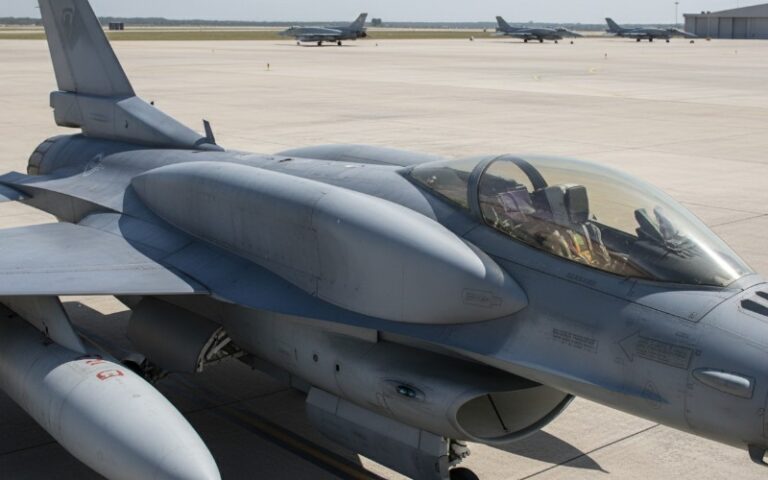
| Feature | Manned Aircraft (e.g., F-16/J-10) | Military Drone (e.g., MQ-9/Wing Loong) |
| Endurance | Limited (hours) | High (days) |
| Risk to Pilot | High | None (Remote) |
| Cost per Hour | High ($20k+) | Low ($3k – $5k) |
| EW Vulnerability | Low (Pilot onboard) | High (Data link dependent) |
| Maneuverability | High (9G capability) | Low (Usually <3G) |
Conclusion: The Future is Hybrid
The debate isn’t about replacing manned aircraft entirely, but about Manned-Unmanned Teaming (MUM-T).
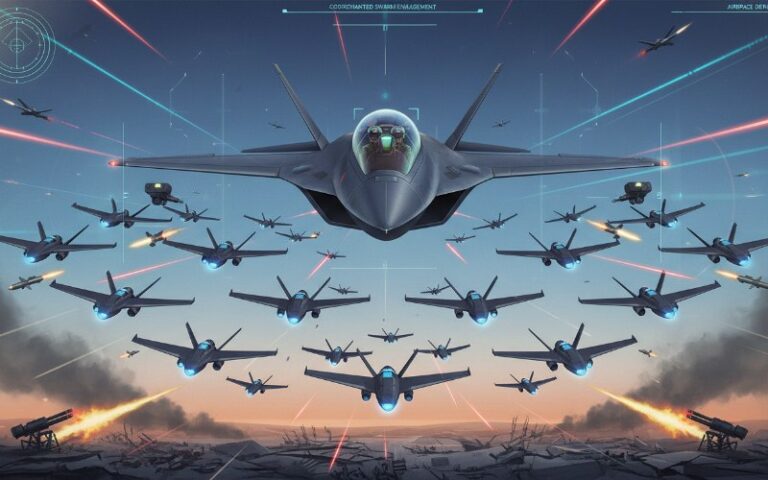
The future of air combat lies in the synergy between the two: a manned stealth fighter (like the J-20 or F-35) acting as a “quarterback,” controlling a swarm of “Loyal Wingman” drones that handle the dangerous reconnaissance and strike tasks.
Understanding these pros and cons is essential for defense procurement and tactical planning in the 21st century.