
The landscape of modern warfare has undergone a paradigm shift over the last two decades. Consequently, the integration of unmanned aerial vehicles (UAVs) has become a cornerstone of national defense strategies worldwide. For defense contractors and government procurement officers, understanding the specific military drone applications is essential for effective fleet modernization. This guide explores the technical roles of drones in combat, surveillance, and logistics.
The Strategic Evolution of Unmanned Systems
Initially, drones were utilized primarily for target practice. However, technological advancements have rapidly expanded their utility. Today, they serve as the eyes, ears, and often the striking arm of advanced military forces. Furthermore, the cost-efficiency of Chinese-manufactured military equipment has democratized access to these advanced capabilities.
Defense agencies now prioritize versatility. Therefore, platforms must perform multiple roles or be modular enough to swap payloads in the field. This flexibility is vital for maintaining operational tempo in contested environments.
Intelligence, Surveillance, and Reconnaissance (ISR)
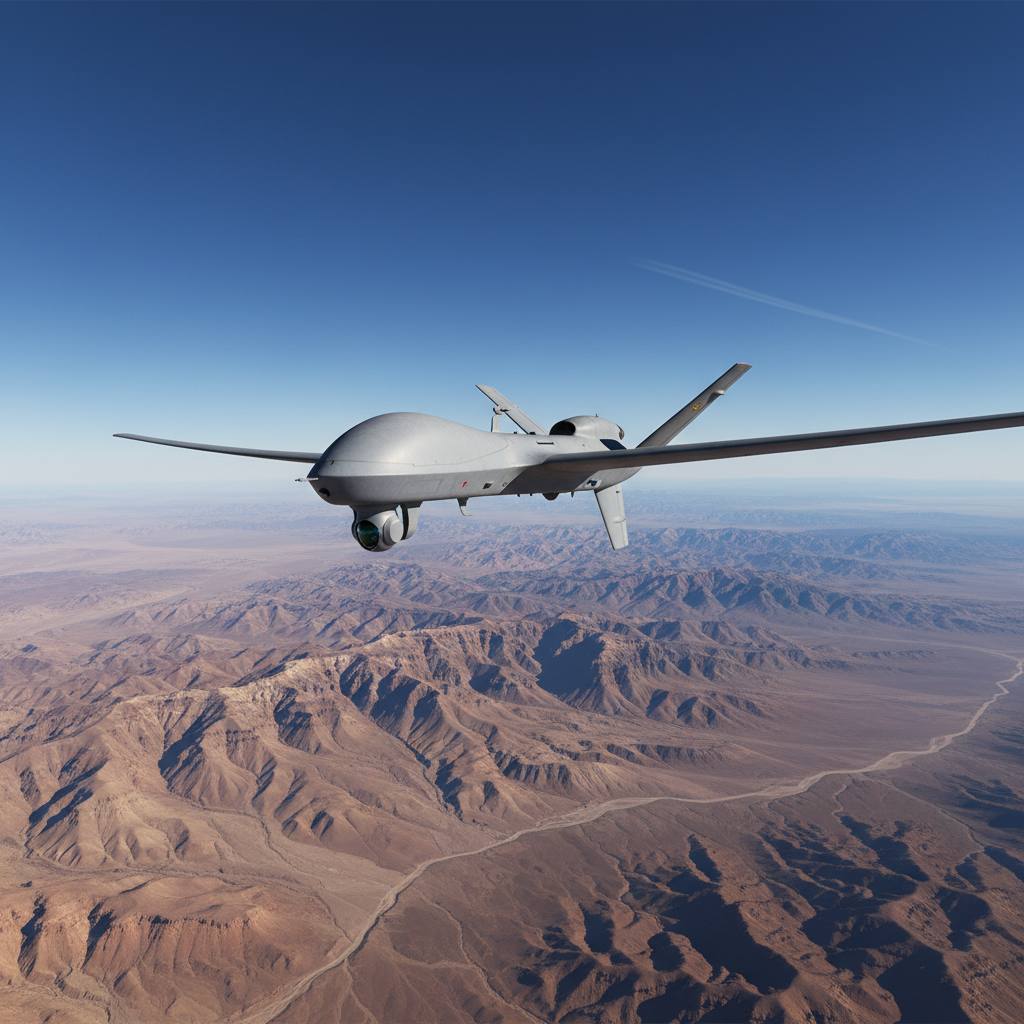
The most prevalent of all military drone applications remains Intelligence, Surveillance, and Reconnaissance (ISR). Commanders require real-time situational awareness to make informed decisions. Consequently, ISR drones are deployed to gather data without risking pilot lives.
Fixed-Wing Long-Endurance Assets
Fixed-wing UAVs differ significantly from rotary-wing models. Specifically, they offer superior endurance and altitude capabilities. These platforms can loiter over target areas for 12 to 24 hours. In addition, they often carry multi-spectral payloads, including electro-optical and infrared (EO/IR) sensors.
Moreover, modern ISR drones utilize encrypted data links. This ensures that the video feed remains secure from enemy interception. For procurement officers, checking the Line-of-Sight (LOS) range and SATCOM compatibility is a standard procedure during evaluation.
Tactical VTOL Integration
While fixed-wing drones cover vast areas, Vertical Take-Off and Landing (VTOL) drones provide tactical support. Units on the ground need immediate intelligence. Therefore, deploying a VTOL drone from a small clearing offers a distinct advantage.
These systems combine the takeoff flexibility of a helicopter with the flight efficiency of an airplane. Consequently, they are ideal for urban warfare or maritime operations where runways are non-existent.
Offensive Combat and Loitering Munitions
Beyond surveillance, drones have become potent combat assets. The transition from passive observer to active combatant marks a significant turning point in military drone applications. This category includes both Armed UAVs and Loitering Munitions (often called suicide drones).

Precision Strike Capabilities
Combat drones are equipped with hardpoints to carry missiles or laser-guided bombs. The precision of these systems minimizes collateral damage. Furthermore, the operator can abort the strike seconds before impact if conditions change.
Reliability is critical here. Chinese military manufacturers have invested heavily in targeting software and weapon release systems to ensure high mission success rates. According to reports from the Center for Strategic and International Studies (CSIS), the proliferation of armed drones has fundamentally altered tactical engagement rules.
The Rise of Loitering Munitions
Loitering munitions bridge the gap between cruise missiles and UAVs. They hover over a target area until a threat is identified. Subsequently, they dive into the target, detonating on impact. This application is particularly effective against enemy air defense systems (SEAD missions).
Logistics and Supply Chain Support
An often overlooked but vital aspect of military drone applications is logistics. Maintaining supply lines in hostile territory is dangerous. Therefore, heavy-lift cargo drones are increasingly replacing convoy trucks for last-mile delivery.
These heavy-lift platforms can transport ammunition, medical supplies, and food to forward operating bases. As a result, human exposure to ambushes and IEDs is significantly reduced.
For example, a hexacopter with a high payload capacity can bypass difficult terrain. This capability ensures that troops remain supplied regardless of road conditions. For those interested in heavy-lift solutions, please review our guide on specialized military drones.
Electronic Warfare (EW)
Drones are also pivotal in the electromagnetic spectrum. Electronic Warfare (EW) drones carry jamming pods rather than cameras or bombs. Their primary function is to disrupt enemy communications and radar.
Additionally, they can act as decoys. By mimicking the radar signature of a fighter jet, drones can trick enemy air defenses into revealing their locations. Once the radar is active, anti-radiation missiles can neutralize the threat.
Technical Specifications: Application Comparison
Choosing the right platform depends on the mission profile. The following table outlines typical specifications required for different military drone applications.
| Application Type | Primary Payload | Typical Endurance | Key Feature |
|---|---|---|---|
| Strategic ISR | EO/IR Sensors, SAR Radar | 12 – 30 Hours | High Altitude, SATCOM |
| Tactical VTOL | Thermal Cameras, Laser Designator | 2 – 5 Hours | Vertical Takeoff, Rapid Deployment |
| Combat / Strike | Air-to-Ground Missiles | 10 – 20 Hours | Weapon Hardpoints, Fire Control |
| Heavy Logistics | Cargo Boxes, Medical Kits | 1 – 3 Hours | High Payload Capacity (50kg+) |
| Loitering Munition | Warhead (HE/Frag) | 30 – 90 Minutes | Impact Detonation, Low RCS |
Procurement and Sourcing Considerations
Sourcing military-grade UAVs requires navigating a complex web of regulations and technical requirements. For international buyers, reliability and post-sale support are paramount. This is where established B2B suppliers play a critical role.

Quality Assurance and Standards
When evaluating suppliers, verify their adherence to military standards (Mil-Spec). Equipment must withstand extreme temperatures, moisture, and vibration. Furthermore, the ingress protection (IP) rating should be IP65 or higher for field operations.
Chinese manufacturers have optimized their production lines to meet these rigorous standards while maintaining competitive pricing. This balance of quality and cost allows defense budgets to stretch further, acquiring larger fleets for the same expenditure.
Export Compliance and Logistics
Finally, the logistics of importing military hardware cannot be understated. Ensure your supplier is experienced in handling export licenses and international shipping compliance. A smooth procurement process prevents operational delays.
For detailed inquiries regarding specific platforms or to request a quote, contact our procurement team directly.
Conclusion
In summary, military drone applications have diversified significantly. From the high-altitude surveillance of ISR missions to the precision strikes of combat UAVs and the essential support of heavy-lift logistics, drones are integral to modern defense. Understanding these roles allows procurement officers to make strategic decisions that enhance national security.
As technology evolves, so too will the capabilities of these unmanned systems. Partnering with a reliable supplier ensures that your forces remain equipped with cutting-edge technology.