

Showing 1–12 of 23 results


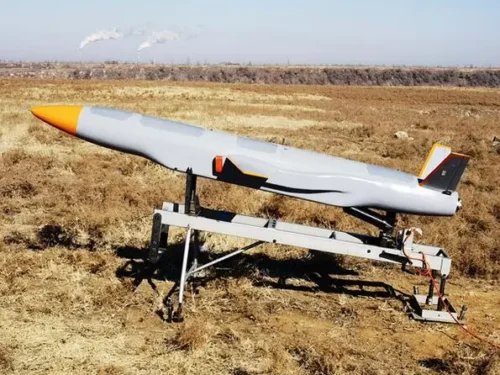


-500x336.webp "Loitering Munition Launcher (30kg class)")
.webp "Loitering Munition Launcher (10kg class)")
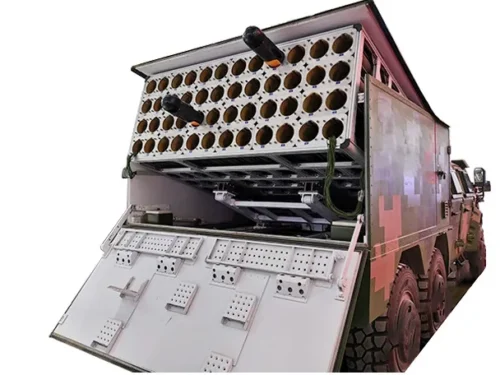
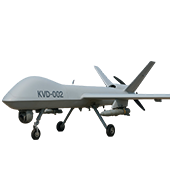
-500x375.webp "Rainbow CH-901 Suicide Drone(CH-901 loitering munition)")
Loitering munitions, commonly referred to as kamikaze drones or suicide drones, are advanced aerial weapons carrying an integrated explosive payload. They fundamentally differ from traditional cruise missiles. Specifically, loitering munitions system can remain airborne for minutes to hours, actively patrolling a target area. They continuously search for threats in real time. Then, they dive directly onto a target to deliver a precision explosive payload. This dual capacity for persistent reconnaissance and exact attack makes them transformative assets in contemporary warfare. Systems from various countries, including the US Switchblade, Russian Lancet, and Israeli Harop, have already proven their immense effectiveness on battlefields worldwide.
Kamikaze drones execute their missions through a sophisticated integration of sensor technology and flight capability. Operators equip these systems with advanced electro-optical (EO) and infrared (IR) cameras. Consequently, these cameras stream live video, enabling operators to identify targets with exceptional accuracy. The drone’s ability to loiter, sometimes for over 60 minutes, permits dynamic mission management. Operators can receive crucial updates, re-assess targets, and even abort a strike if civilians appear or the target relocates. Furthermore, many cutting-edge models now incorporate AI-powered target recognition and autonomous tracking features. This capability dramatically improves the probability of a successful hit. Additionally, electric or hybrid propulsion systems give the loitering munition a low acoustic and visual signature. This makes the systems extremely difficult for enemy forces to detect before the final impact.
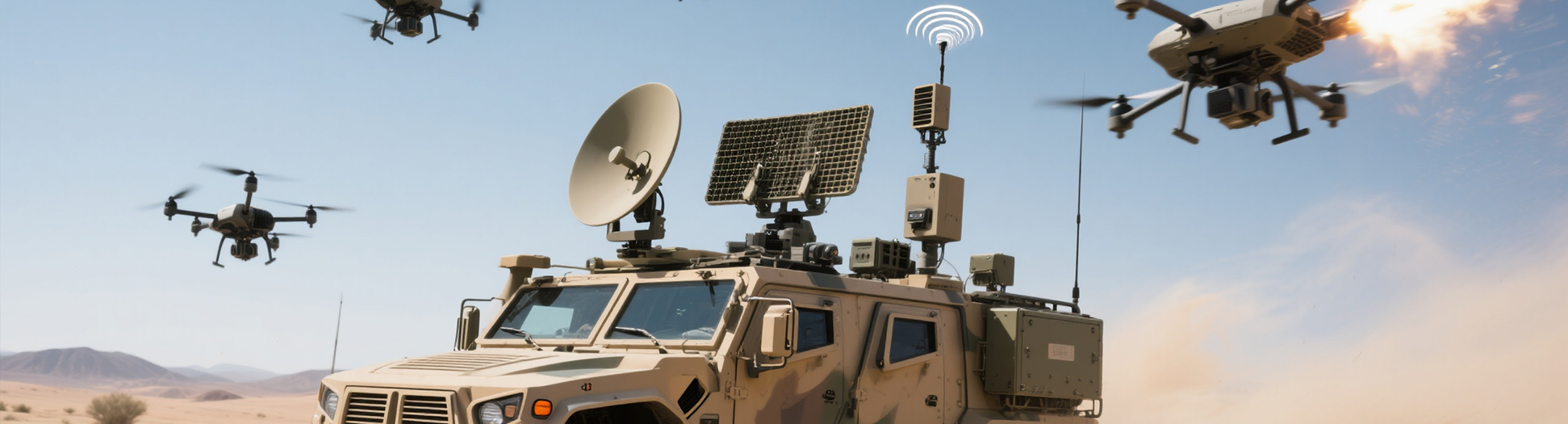
Forces deploy loitering munitions for a wide range of tactical military applications. These include counter-battery fire, anti-tank operations, and neutralizing hostile air defenses. They show particular efficacy against mobile or hidden targets, such as armored vehicles, radar sites, and entrenched infantry in urban or challenging terrain. Their design prioritizes portability and rapid deployment. Therefore, units launch them quickly from compact, ground-based tubes or light vehicles. This makes them ideal for frontline troops, special forces, and artillery units requiring immediate precision support.
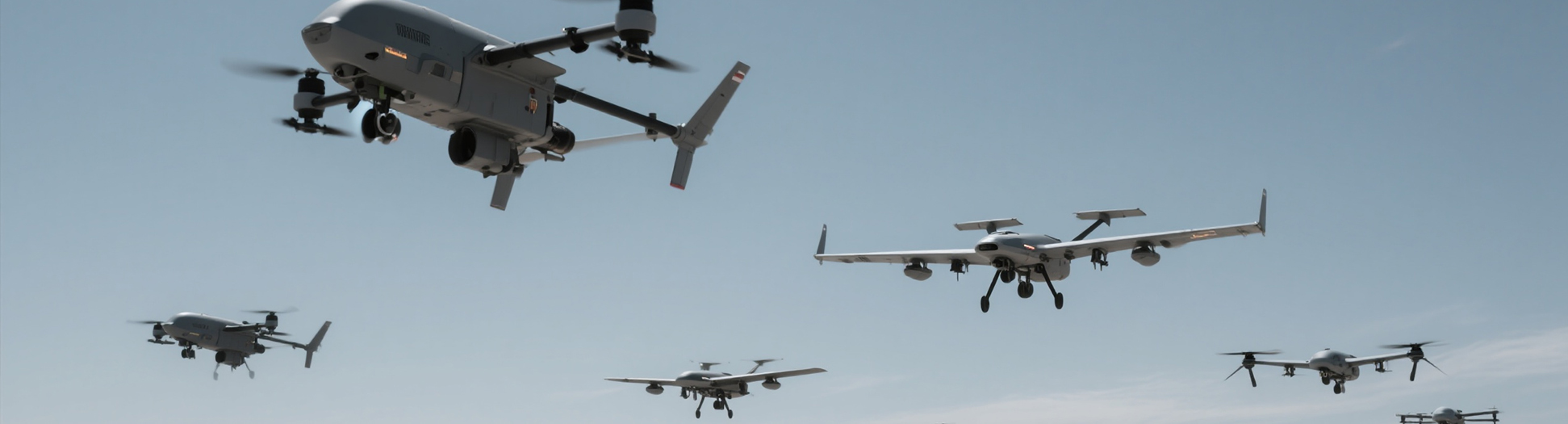
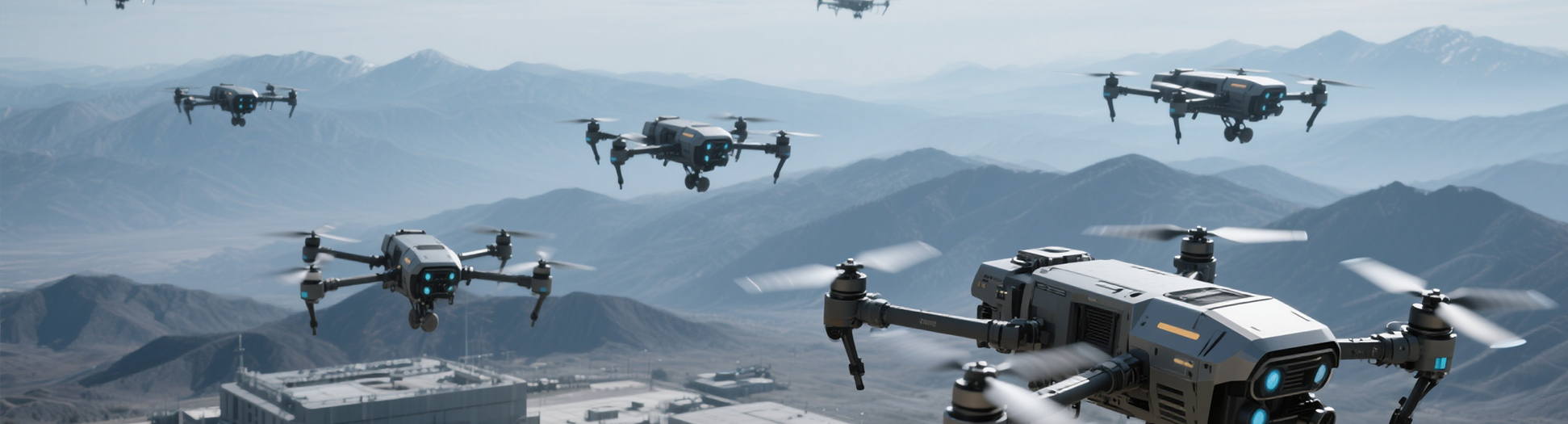
Moreover, loitering munition systems offer a cost-effective, scalable alternative to traditional, expensive missile systems. They reduce the reliance on higher-cost manned aircraft in high-risk zones. Their modular design accepts various warhead sizes and mission packages. As a result, loitering munitions range from small tactical units to larger strategic platforms capable of striking high-value infrastructure. As electronic warfare evolves, manufacturers develop these drones with enhanced countermeasure resistance and swarm capabilities. This positions the kamikaze drone as an increasingly critical element in future combat networks and asymmetric warfare strategies.