
In the modern theater of war, speed is a critical variable. When defense contractors and procurement officers ask, how fast can military drones fly, the answer is rarely a single number. Instead, it depends entirely on the mission profile, propulsion system, and aerodynamic design of the Unmanned Aerial Vehicle (UAV). From loitering munitions designed for stealth to jet-powered reconnaissance units breaking the sound barrier, speed dictates tactical application.
Understanding these speed parameters is essential for sourcing the right equipment. Whether you require a platform for persistent surveillance or a high-speed interceptor, velocity impacts range, payload capacity, and survivability. Consequently, this guide breaks down the speed capabilities of various military drone classes available in the global market.

Classifying UAV Speeds by Propulsion Type
To accurately answer how fast can military drones fly, we must categorize them by their engine technology. Generally, Chinese military export platforms fall into three primary propulsion categories: electric, piston-engine, and turbojet. Each offers distinct advantages regarding velocity and logistics.
1. Electric and Rotary-Wing Drones
Small tactical drones, often used for close-range reconnaissance, typically rely on electric motors. These platforms prioritize stability and silence over raw speed. Typically, quadcopters and hexacopters fly at speeds between 15 to 25 meters per second (approx. 50-90 km/h).
However, their agility is unmatched. For urban warfare or anti-drone system testing, high speed is less critical than the ability to hover and maneuver tight corners. Therefore, procurement officers focus on response time rather than top-end velocity for this class.
2. Piston-Engine Tactical UAVs (MALE)
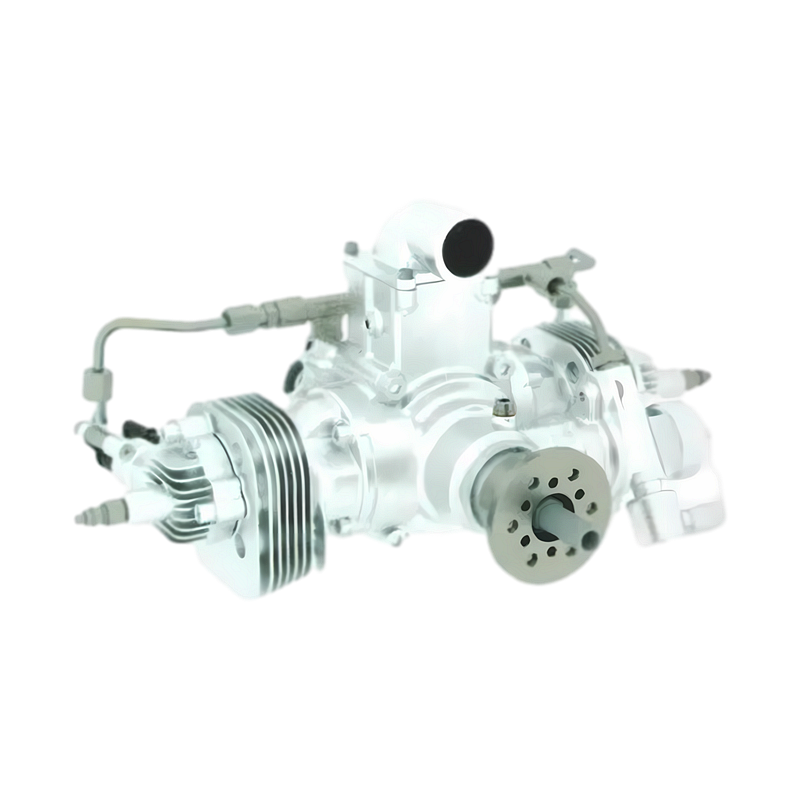
Medium Altitude Long Endurance (MALE) drones are the workhorses of modern air forces. Platforms similar to the Wing Loong or CH-series utilize heavy-fuel piston engines. These engines provide the torque needed for heavy payloads.
Generally, these fixed-wing drones cruise at speeds ranging from 150 to 280 km/h (80 to 150 knots). While not supersonic, this speed is optimal for long-duration patrols. It allows the aircraft to cover vast areas while maintaining fuel efficiency for 20+ hour missions. Furthermore, a moderate speed simplifies the tracking of moving ground targets.
3. Turbojet and Turbofan Systems
For missions requiring rapid deployment or target simulation, turbojet-powered drones are necessary. How fast can military drones fly in this category? These units frequently exceed 800 km/h (430 knots). Advanced prototypes and target drones can even approach transonic speeds.
These platforms are expensive to operate but vital for testing air defense systems. Additionally, high-speed strike drones use jet propulsion to minimize the enemy’s reaction window. Consequently, they are a high-priority asset for advanced military inventories.

Operational Trade-Offs: Speed vs. Endurance
Speed is not always the ultimate goal. In fact, there is often a significant engineering trade-off between maximum velocity and operational endurance. For instance, a drone flying at maximum throttle consumes fuel exponentially faster than at cruise speed.
Logistics planners must assess the mission requirements carefully. If the objective is persistent ISR (Intelligence, Surveillance, and Reconnaissance), a slower, high-lift wing design is superior. Conversely, for time-sensitive strikes, speed is paramount.
- Loitering Munitions: Low speed (100-150 km/h) to ensure precision targeting.
- Cargo Drones: Moderate speed to balance lift capacity and range.
- Interceptors: High speed to pursue aerial threats.
Moreover, aerodynamic drag increases with the square of speed. Therefore, high-speed drones require sleeker, more expensive airframes. This increases the unit cost, a vital consideration for procurement budgets. For detailed specifications on efficient airframes, consult our guide on tactical military drones.
Technical Comparison Data
To assist in your procurement decision-making, we have compiled a comparison of typical speed ranges for various military drone classes. Note that these figures represent industry averages for modern export-grade equipment.
| Drone Class | Propulsion Type | Typical Cruise Speed | Max Speed (Approx.) | Primary Mission |
|---|---|---|---|---|
| Micro / Mini UAV | Electric Battery | 30 – 50 km/h | 80 km/h | Close Range Recon |
| Tactical VTOL | Hybrid / Electric | 70 – 100 km/h | 140 km/h | Urban Surveillance |
| MALE (Medium Altitude) | Piston Engine | 180 – 220 km/h | 280 km/h | ISR & Strike |
| HALE (High Altitude) | Turboprop / Jet | 300 – 450 km/h | 600+ km/h | Strategic Intel |
| Target Drone | Turbojet | 600 km/h | 900+ km/h | Air Defense Training |
Environmental and External Factors
Even with powerful engines, external factors dictate actual operational speed. Specifically, payload weight plays a massive role. A fully loaded UAV carrying electro-optical sensors, laser designators, and missiles will have a significantly lower top speed than a clean configuration.
Furthermore, altitude effects cannot be ignored. At higher altitudes, the air is thinner. This reduces drag, allowing for higher true airspeeds (TAS). However, piston engines may lose efficiency without turbocharging. Therefore, aerodynamic efficiency at varied altitudes is a key metric in our datasheets.
The Future: Supersonic Military Drones
The defense industry is constantly pushing the envelope. Currently, development is shifting toward supersonic combat drones designed to fly alongside manned fighter jets. These “loyal wingman” concepts aim to break the sound barrier, flying faster than 1,200 km/h (Mach 1+).
Such advancements require robust supply chains and cutting-edge materials. China’s military industrial base is rapidly iterating on these technologies. Consequently, international buyers can expect these high-speed platforms to become available for export in the coming decade. Keeping abreast of these developments is crucial for long-term strategic planning.
Conclusion
So, how fast can military drones fly? The answer ranges from a hover to near-supersonic speeds, depending on the tactical requirement. For buyers, the key is not just seeking the fastest drone, but the most efficient one for the mission. Whether you need the slow loiter of a surveillance unit or the dash speed of a target drone, understanding these metrics ensures better procurement outcomes.
At CAMD, we specialize in sourcing top-tier Chinese military aviation technology for global clients. We ensure all equipment meets rigorous export compliance and quality standards.