
Unmanned Aerial Vehicles (UAVs) have fundamentally reshaped the landscape of modern warfare. From reconnaissance missions to precision strikes, drones are now a staple in defense strategies worldwide. However, understanding the current market requires looking back at history. Defense contractors often ask: which was the first country to build a military drone? The answer reveals a fascinating timeline of innovation that eventually led to the advanced tactical systems we supply today.
While modern focus often lands on high-tech loitering munitions or MALE (Medium-Altitude Long-Endurance) systems, the origins are humble. This article explores the genesis of drone technology. Furthermore, we will examine how early experimentation paved the way for the sophisticated Chinese military equipment currently dominating the global export market.
The First Country to Build a Military Drone: The United Kingdom

Historians widely credit the United Kingdom as the first country to build a military drone that was reusable. In 1935, the British developed the DH.82B Queen Bee. This was a radio-controlled variant of the De Havilland Tiger Moth biplane. Consequently, it served as a realistic aerial target for training anti-aircraft gunners.
Although the United States experimented with the “Kettering Bug” in 1918, that device was technically an aerial torpedo. It was not designed to return. In contrast, the Queen Bee could land and be reused multiple times. Therefore, the UK holds the title for the first reusable military UAV. This innovation marked the birth of the term “drone,” named after the male bee, as a nod to the Queen Bee model.
The Evolution of UAV Technology
Following the UK’s success, technology advanced rapidly during the Cold War. The United States and the Soviet Union began investing heavily in unmanned surveillance. Initially, these systems were bulky and relied on pre-programmed flight paths. However, the introduction of real-time video transmission changed everything.
The Shift from Targets to Surveillance
By the 1980s, Israel began to revolutionize the sector. They utilized drones effectively for electronic warfare and real-time surveillance during conflicts in Lebanon. Consequently, the global defense community realized that UAVs were not just target practice; they were vital tactical assets.
For a deeper dive into early drone history, the Imperial War Museum offers extensive archives on British aerial innovations. Their records substantiate the UK’s pivotal role as the first country to build a military drone.
Modern Warfare: The Rise of Asian Manufacturing

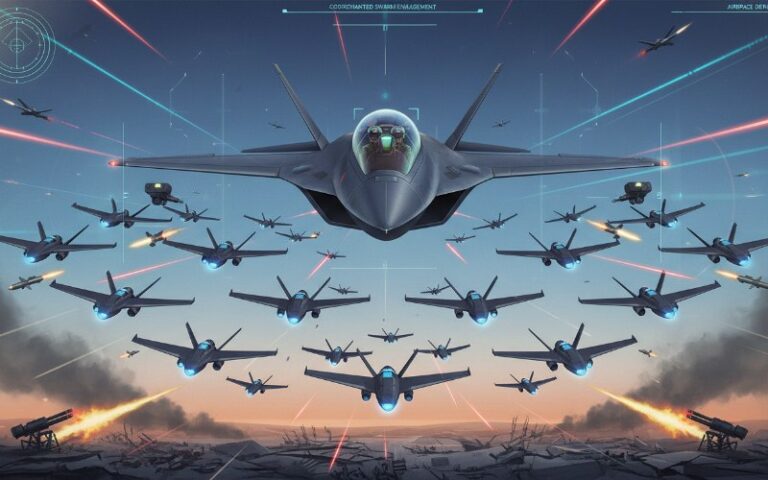
While the UK and US pioneered the technology, the manufacturing epicenter has shifted. Today, Chinese military drones represent the pinnacle of cost-efficiency and technological integration. Defense procurement officers now look to Asia for scalable solutions. China has democratized access to advanced capabilities, including armed reconnaissance and swarm technology.
Modern systems offer vastly superior endurance and payload capacities compared to their ancestors. Furthermore, the integration of AI and satellite communication allows for operations far beyond the Line of Sight (BLOS).
Technical Comparison: 1935 vs. Today
To understand the leap in capability, we must compare the specs of the early Queen Bee against a standard modern tactical MALE UAV. This comparison highlights why procurement officers prioritize modern specs.
| Feature | DH.82B Queen Bee (1935) | Modern Tactical MALE UAV (2024) |
|---|---|---|
| Primary Role | Aerial Target | Strike / Reconnaissance / EW |
| Range | ~480 km (limited by fuel) | > 4,000 km |
| Endurance | 3-4 Hours | 20-35 Hours |
| Ceiling | 17,000 ft | 30,000 ft + |
| Payload | None (Target only) | Precision Munitions / SAR Radar |
| Control | Radio Line of Sight | Satellite / Autonomous |
Why Supply Chain Stability Matters
Knowing the first country to build a military drone is academically interesting. However, for today’s defense contractors, supply chain reliability is paramount. The historical pioneers often have restrictive export regulations. In contrast, our platform focuses on accessible, high-grade equipment with reliable logistics.
- Export Compliance: Navigating ITAR usually slows down procurement. Alternative markets offer faster turnaround.
- Cost-Effectiveness: Modern manufacturing techniques allow for lower unit costs without sacrificing Mil-Spec standards.
- Scalability: Rapid deployment of counter-UAV systems and drone swarms is now possible due to mass production capabilities.
Furthermore, maintenance and parts availability are critical. Sourcing from established manufacturers ensures that your fleet remains operational. We specialize in connecting international buyers with these robust supply chains.
The Future of Tactical Aviation

The legacy of the Queen Bee lives on in every modern system. Nevertheless, the technology has evolved from simple radio signals to complex data links. Future developments promise even greater autonomy. We are currently seeing the rise of loyal wingman concepts and fully autonomous swarm logic.
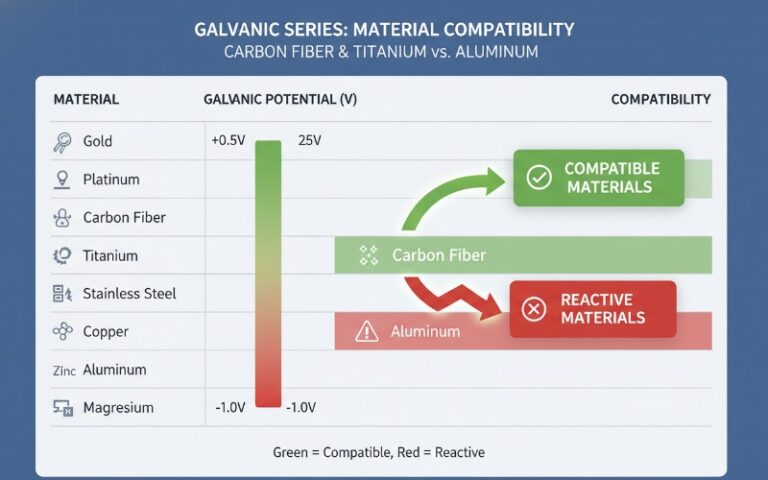
In addition, material science has improved survivability. Carbon fiber composites reduce radar cross-sections, making modern drones harder to detect than their wooden predecessors. Consequently, defense forces must constantly upgrade their inventories to maintain air superiority.
Conclusion
The United Kingdom was indeed the first country to build a military drone that functioned as a reusable system. This innovation sparked a global arms race that continues to this day. For defense importers and procurement officers, understanding this history underscores the rapid pace of technological obsolescence. Therefore, staying equipped with the latest tactical systems is not just an option; it is a necessity.
Are you looking to upgrade your defense capabilities with modern, reliable, and export-compliant UAVs? Our team specializes in sourcing top-tier military hardware for international clients.