


Showing all 8 results


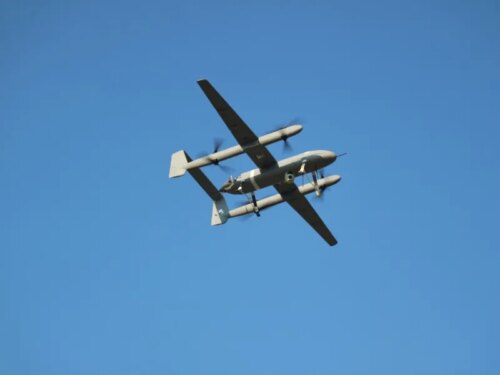
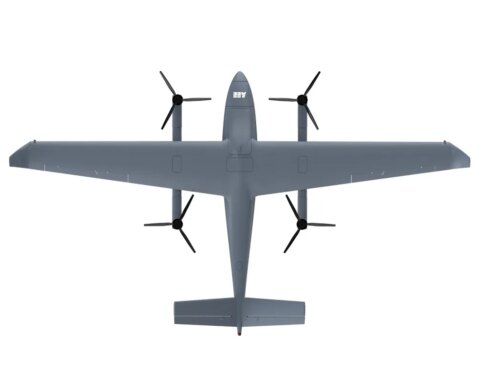
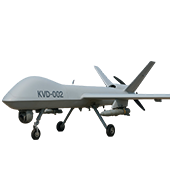
China actively advances its Unmanned Aerial Vehicle (UAV) technology, emphasizing high-efficiency systems for both military and commercial applications. Military vtol drone, designed with rigid wings that generate lift, offer superior aerodynamics compared to multirotor models. Consequently, these robust systems maintain forward motion to stay aloft, delivering exceptional energy efficiency and range for extended missions. Ultimately, this capability makes them essential assets for large-area aerial intelligence gathering.
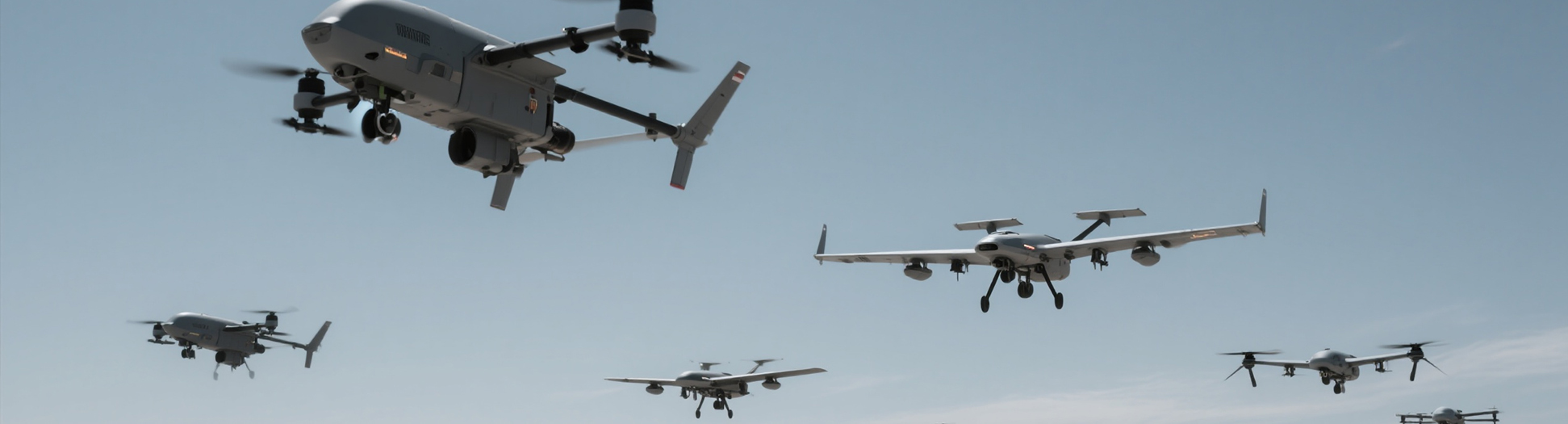
A Vertical Take-Off and Landing (VTOL) drone combines the best of two worlds: the long-range, efficient flight of a fixed-wing aircraft and the ability to hover and take off/land vertically like a helicopter. Therefore, military vtol drone eliminates the need for runways, catapult launchers, or recovery nets, which significantly enhances operational flexibility. Hybrid VTOL designs achieve this versatility by using multi-rotors for vertical flight and a fixed wing for energy-efficient horizontal cruising. This crucial blend allows for deployment in confined or rugged environments, such as ship decks or mountainous terrain, which pure fixed-wing drones cannot access.
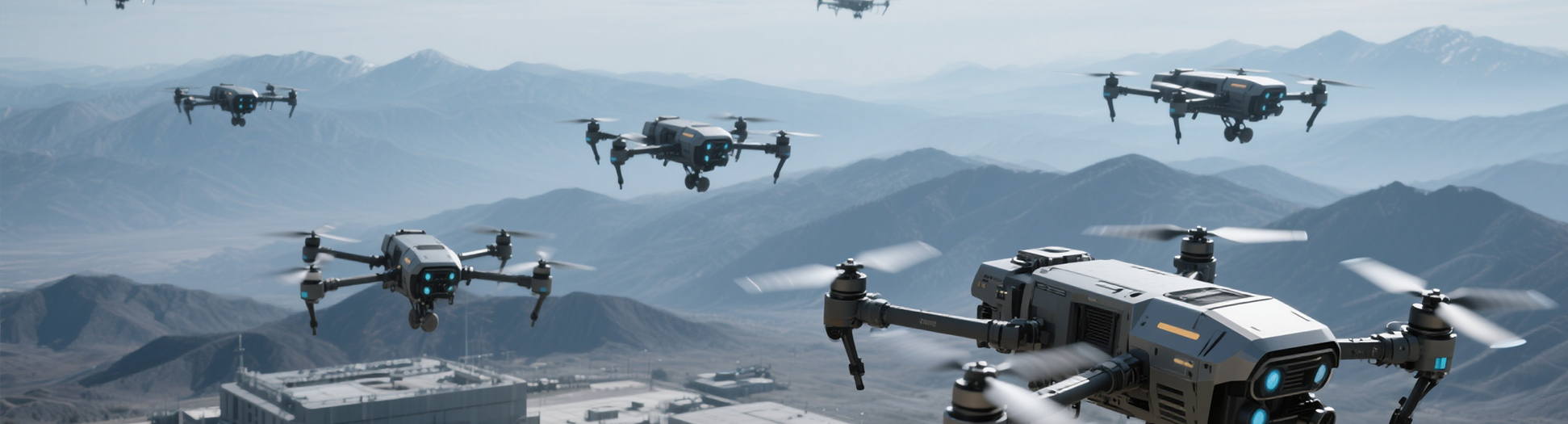
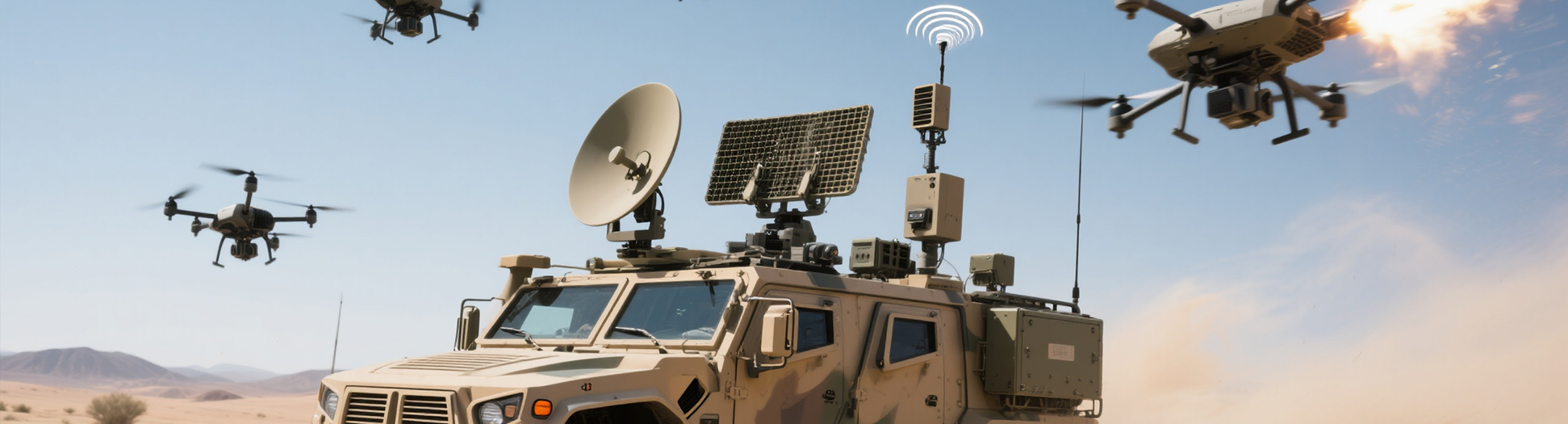
Chinese military VTOL drones demonstrate advanced capabilities focused on persistent and versatile aerial operations. For example, systems like the VF80P, a gasoline-powered fixed-wing VTOL, boast extended endurance of up to six hours and high maximum operating altitudes. Moreover, these military-grade platforms incorporate core features like integrated GPS waypoint navigation, advanced autopilot systems for fully autonomous missions, and sophisticated data link redundancy. These features collectively ensure reliable performance and consistent data collection in complex and contested airspaces. Furthermore, many models feature modular payload bays, enabling rapid reconfiguration for Intelligence, Surveillance, and Reconnaissance (ISR), Electronic Warfare (EW), or logistical support missions.
Fixed-wing hybrid VTOL drones offer significant advantages. First, they deliver vastly superior endurance and range compared to multirotors, covering hundreds of kilometers on a single charge or tank. Second, their vertical takeoff and landing capability allows deployment from virtually any unprepared location. Consequently, they significantly reduce operational complexity and increase mission readiness. However, these benefits come with certain trade-offs. The primary disadvantages include higher initial cost and more complex maintenance schedules due to the intricate dual propulsion systems. Furthermore, integrating the VTOL mechanism adds weight and drag, slightly reducing the peak aerodynamic efficiency compared to a pure, non-VTOL fixed-wing design.
Fixed-wing drones excel in missions requiring long flight times and broad area coverage. In the civilian sector, these UAVs are indispensable for aerial surveying and topographic mapping, efficiently generating high-resolution orthomosaics and 3D models over massive sites. In agriculture, they deploy multispectral and thermal sensors to assess crop health across thousands of acres, which allows for precision farming and resource optimization. Similarly, environmental monitoring groups use them to track deforestation, coastal erosion, and wildlife habitats in remote regions. Critically, their long-range stability and high-altitude capacity make them the preferred platform for demanding applications. Conversely, in the defense sector, fixed-wing drones provide long-haul border patrol, persistent maritime surveillance, and tactical reconnaissance, establishing them as vital components of modern aerial intelligence.