

Showing 13–21 of 21 results
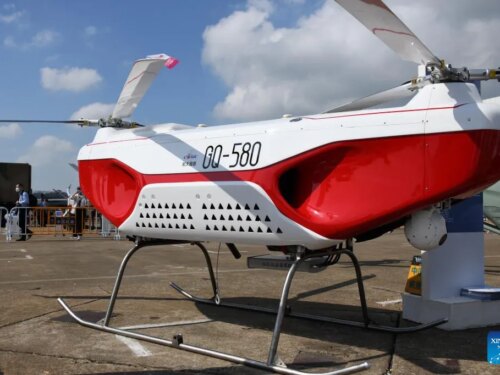


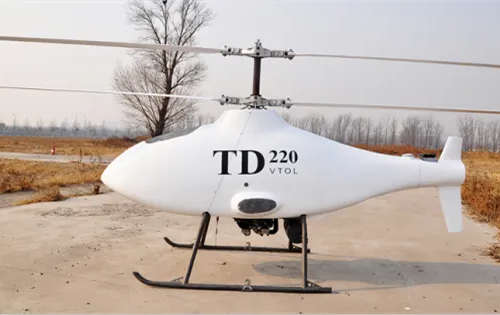

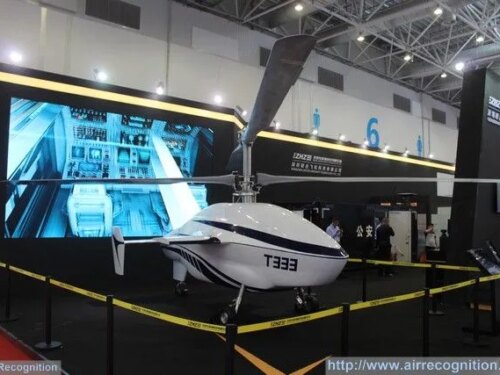
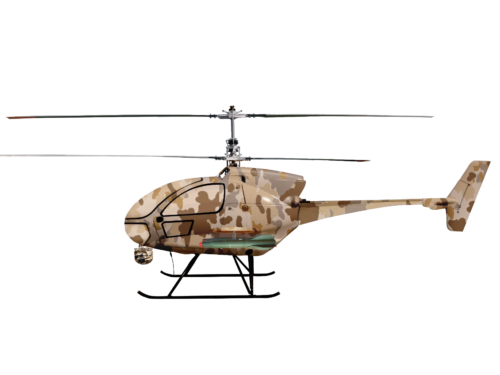
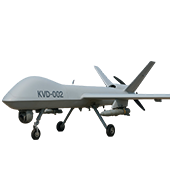
Unmanned Helicopters, or rotary-wing Unmanned Aerial Systems (UAS), fundamentally redefine vertical lift capabilities for demanding defense, public safety, and critical industrial missions. These sophisticated drones combine the hover precision of traditional helicopters with fully autonomous or remote-piloted operation. Unlike fixed-wing or multirotor drones that face limitations, our robust rotary-wing platforms deliver superior performance in turbulent air, at high altitudes, and within complex, mountainous terrain. Therefore, they offer a powerful, stable solution for tasks demanding flexibility, endurance, and precise Vertical Takeoff and Landing (VTOL) functionality.
A key competitive advantage of unmanned helicopters over smaller quadcopters is their superior power efficiency and heavy-lift capability. Manufacturers engineer these platforms with powerful gasoline, heavy-fuel engines, or advanced hybrid-electric systems. Consequently, they effortlessly carry mission-critical payloads ranging from 5 kg to over 100 kg. These systems typically include high-resolution Electro-Optical/Infrared (EO/IR) cameras, advanced LiDAR scanners, electronic warfare modules, or essential resupply cargo. Moreover, this efficiency directly translates into extended flight durations; most models operate for 2–4 hours, with heavy-fuel variants achieving over 8 hours. This sustained presence proves indispensable for long-range reconnaissance, persistent border patrol, and time-critical disaster relief logistics.
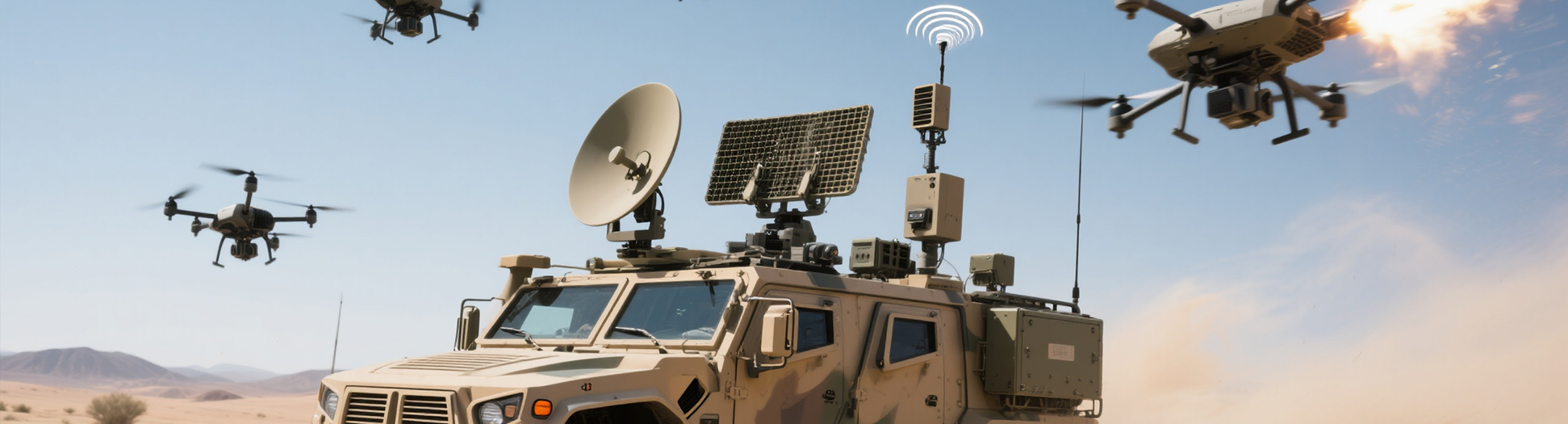
Unmanned helicopters are quickly becoming indispensable assets across global security sectors. In military applications, they excel at Intelligence, Surveillance, Target Acquisition, and Reconnaissance (ISTAR), particularly in naval environments where they conduct maritime surveillance and tactical resupply missions. They easily land on moving decks or in confined forward operating bases, significantly enhancing operational reach. Furthermore, their utility extends to civilian and emergency scenarios. Fire departments deploy them for real-time wildfire monitoring, using thermal imaging to penetrate heavy smoke. Similarly, Search and Rescue (SAR) teams rely on their long-range sensors to locate personnel in inaccessible or rugged terrain. Finally, utility companies utilize them for inspecting vital infrastructure like power lines and pipelines in remote, hazardous locations, greatly improving safety and maintenance efficiency.
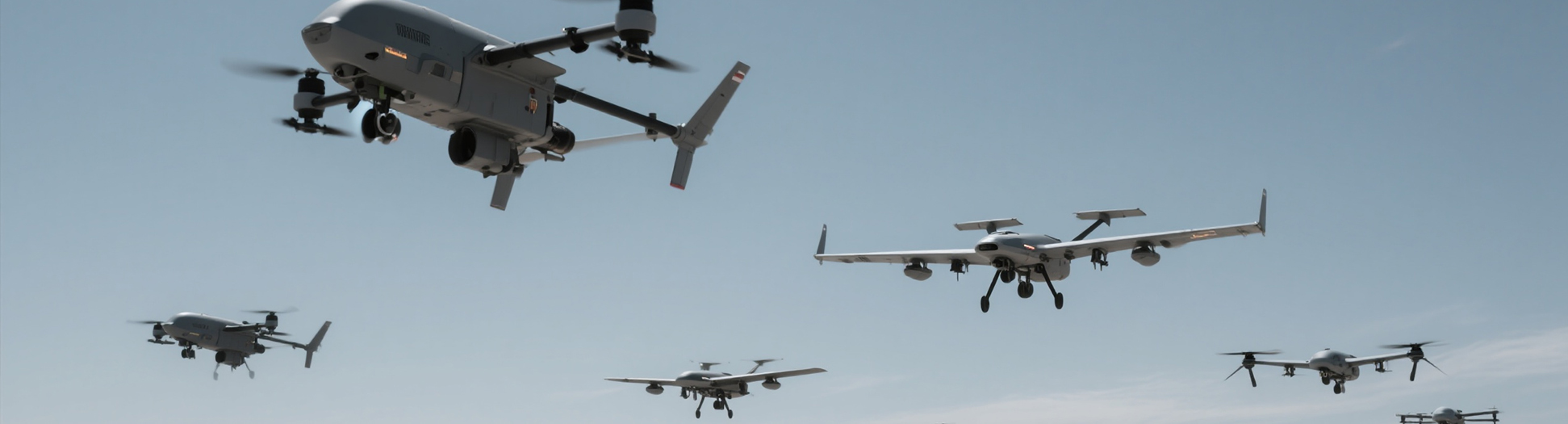
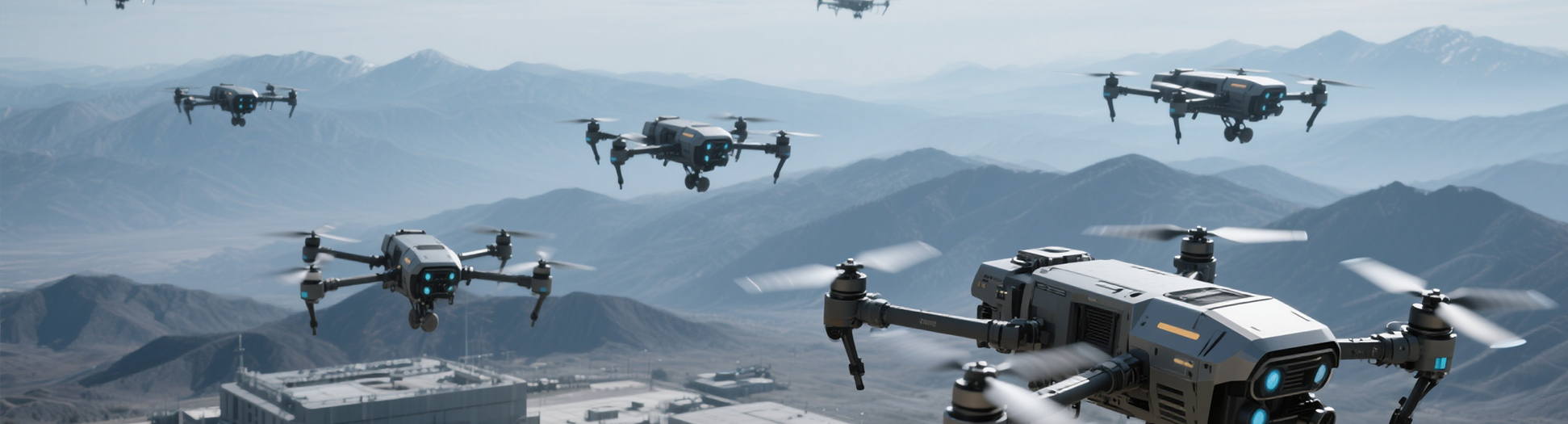
Modern unmanned helicopters integrate cutting-edge autonomous flight control systems. These systems feature sophisticated GPS waypoint navigation, dynamic obstacle avoidance, and essential fail-safe recovery protocols, ensuring mission reliability even under stress. Consequently, operators manage complex missions via intuitive ground control stations, enabling real-time adjustments and uninterrupted live video streaming. We construct these airframes with ruggedized composite materials to withstand the harshest operational environments—extreme weather, dust, and intense vibration. As technology progresses, the integration of advanced Artificial Intelligence (AI) allows these platforms to perform increasingly complex maneuvers, operate in coordinated formation flying, and even execute automated, precision cargo delivery. This solidifies the unmanned helicopter’s role as an indispensable, high-performance tool in both defense and commercial aviation