

Showing 1–12 of 13 results


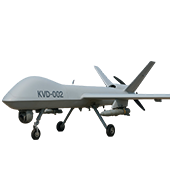
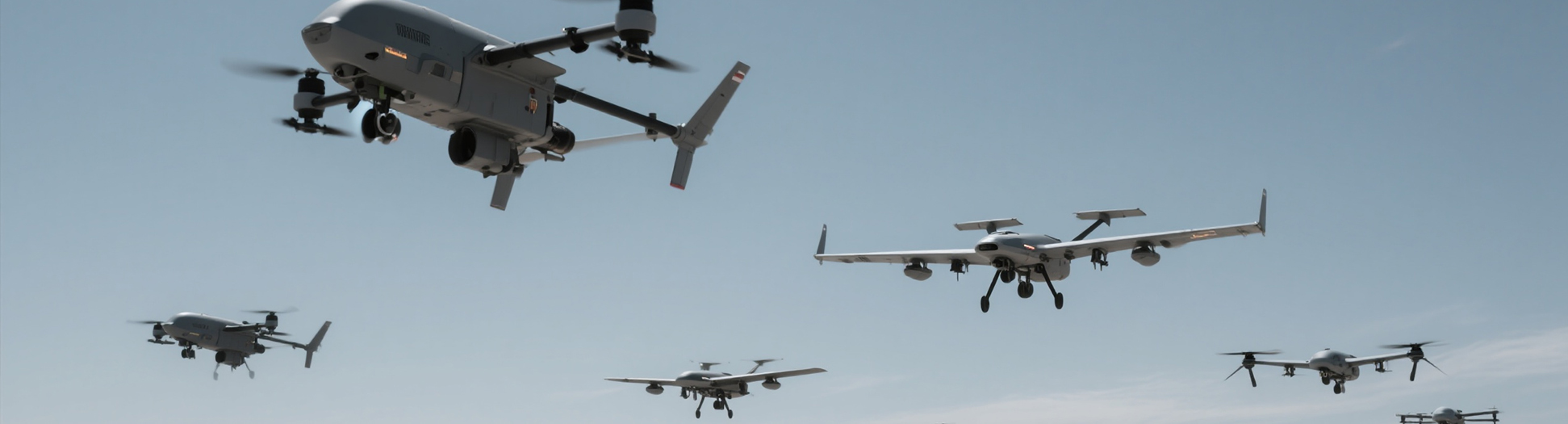
Small Unmanned Aerial Vehicles (sUAVs), or small drones, represent the core of contemporary tactical reconnaissance and intelligence gathering. These compact powerhouses, typically weighing less than 25 kilograms (55 lbs), combine portability with high performance, making them indispensable across military, law enforcement, and civilian sectors. They strike a critical balance, delivering real-time Intelligence, Surveillance, and Reconnaissance (ISR) in contested environments where larger, more complex platforms simply cannot operate effectively. Furthermore, as the threat landscape evolves, these agile systems allow forces to maintain a decisive information edge.
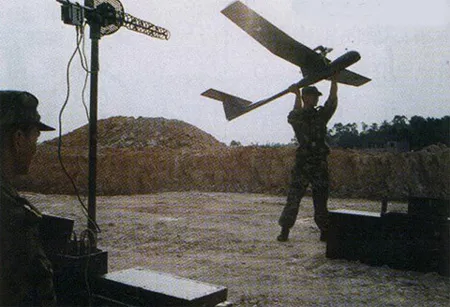
A defining characteristic of these small military UAV is their exceptional ease of transport and rapid deployment. Many models launch quickly, often hand-launched or using compact catapults, completely eliminating the need for runways or bulky support equipment. Consequently, this minimal logistical footprint significantly reduces setup time in fast-paced scenarios. Their operation remains remarkably quiet, offering a low visual and acoustic signature that facilitates highly discreet missions within dense urban areas, thick forests, or deep inside hostile territory. Additionally, durable composite materials ensure these drones withstand harsh field conditions while maintaining a light enough profile for personnel to carry them effortlessly in a backpack. Intuitive ground control interfaces, often featuring GPS-assisted flight modes, empower minimally trained operators to control them, greatly enhancing their utility in dynamic tactical operations.
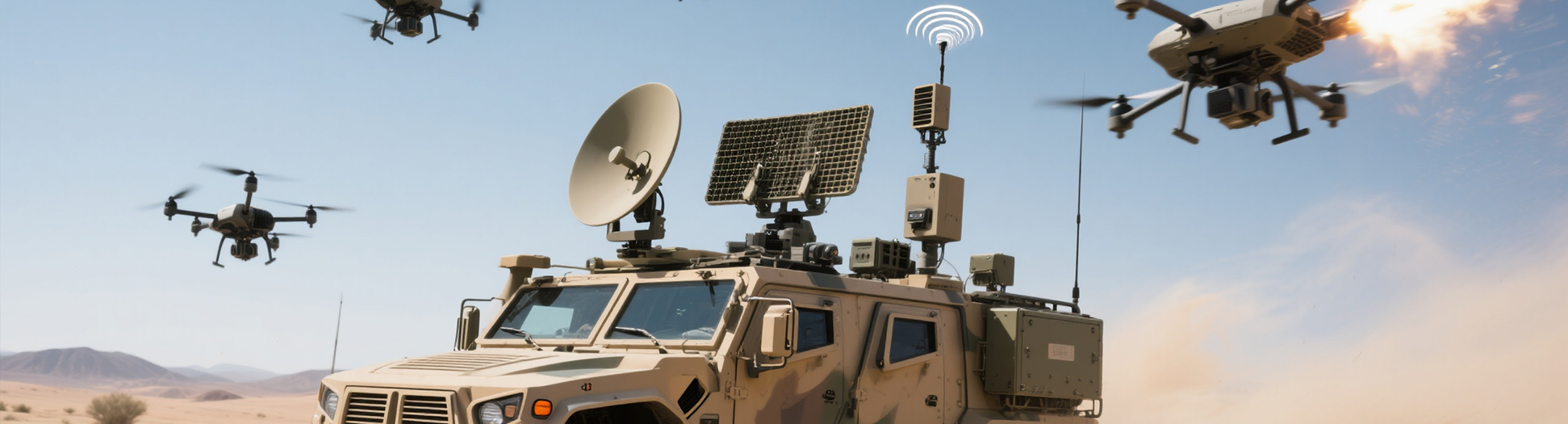
Small uav drones fundamentally transform modern battlefield operations. Frontline troops leverage these systems for immediate battlefield awareness, rapid target acquisition, and crucial route reconnaissance. Therefore, commanders gain real-time, actionable intelligence, enabling more informed decision-making and minimizing risk to manned assets. Defense standards classify many of these as Group 1 and Group 2 drones, often operating below 3,500 feet AGL and at speeds under 100 knots, allowing them to penetrate difficult-to-reach or heavily defended zones. They can carry high-definition cameras, thermal sensors, or multispectral imagers, providing diverse data streams quickly and cost-effectively. Beyond direct military applications, law enforcement utilizes them for hostage situations and search and rescue, while border security patrols vast, remote areas effectively.
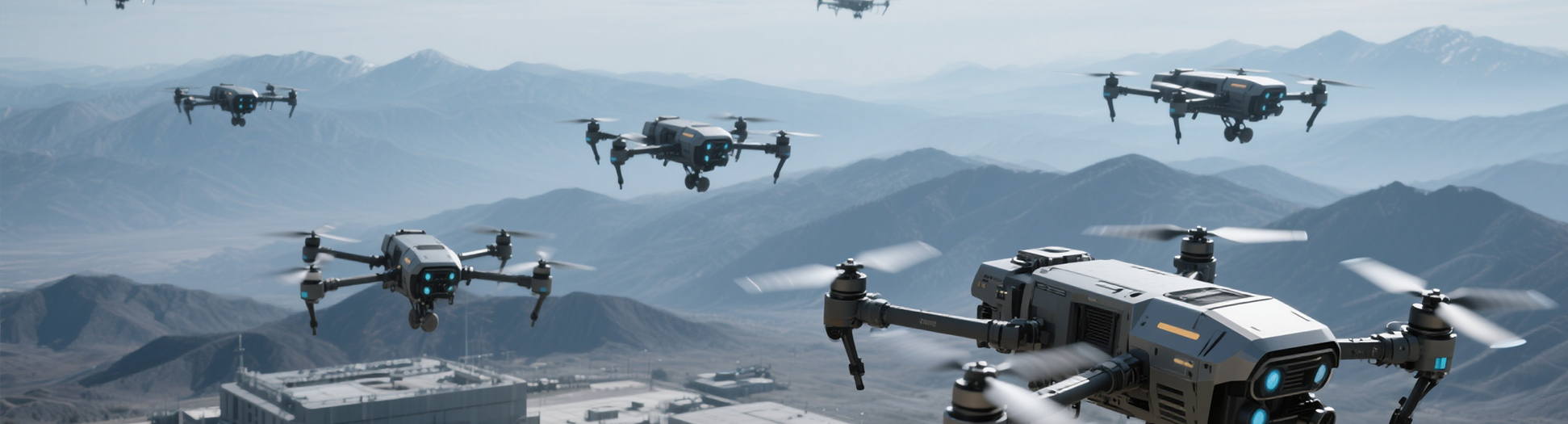
The utility of sUAVs extends well beyond the defense sector. Commercially, they revolutionize infrastructure inspection, precision agriculture, environmental monitoring, and film production. Equipped with specialized payloads, these drones deliver actionable data, subsequently reducing operational downtime and improving overall decision-making across industries. Moreover, the regulatory environment increasingly accommodates these systems; for instance, less restrictive aviation regulations often apply to small UAVs, easing their integration into national airspace. Looking ahead, ongoing advancements in artificial intelligence (AI), obstacle avoidance, and drone swarm coordination promise even greater autonomy and capability. Ultimately, continued development in energy efficiency and sensor miniaturization ensures small drones will play an increasingly vital, multifaceted role in tactical operations and everyday commercial use worldwide.