

Showing all 9 results

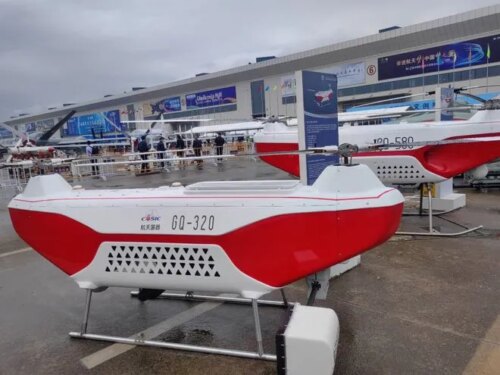
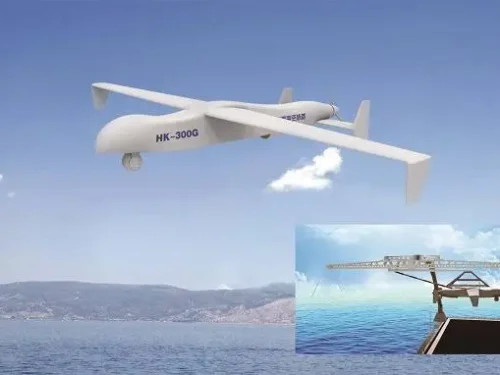
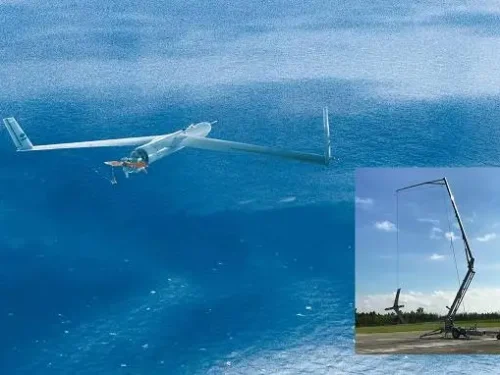


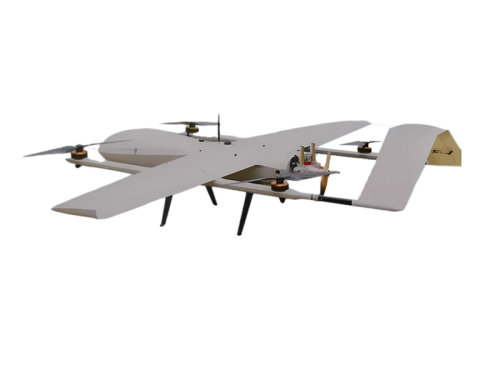


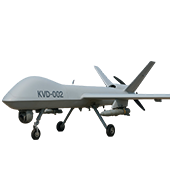
China’s rapid naval modernization program recognizes the critical role of Shipborne Unmanned Aerial Vehicles (UAVs) in projecting power and maintaining security across its vast maritime interests. These specialized drones are vital tools, extending the sensory reach and operational effectiveness of the People’s Liberation Army Navy (PLAN) fleet. Integrated into contemporary Chinese naval assets, these shipborne drone UAVs significantly boost a vessel’s ability to conduct long-range surveillance and execute complex missions while minimizing the hazards faced by human crews. They have become indispensable assets for both blue-water and demanding littoral operations, enhancing China’s capacity for real-time situational awareness.
Robust Design for PLAN Naval Needs
The PLAN requires its shipborne UAVs to withstand the incredibly harsh naval environments. Engineers ruggedize these platforms specifically to resist corrosive saltwater, extreme winds, deck motion, and the constraints of limited space aboard frigates, destroyers, and carriers. These specialized Chinese shipborne drones boast reinforced airframes, comprehensive waterproofing, and advanced, shock-absorbing recovery systems. They employ various launch and recovery methods to ensure compatibility across the fleet, ranging from small patrol boats to the large Type 055 destroyers. Specifically, Vertical Take-Off and Landing (VTOL) systems allow for runway-independent operations on virtually any warship. Ultimately, advanced stabilization technology guarantees stable flight and reliable data collection even in the most turbulent maritime conditions.
Chinese ship launched uav can undertake an expansive suite of critical naval missions. They are essential for Intelligence, Surveillance, and Reconnaissance (ISR), providing real-time monitoring of key shipping lanes and tracking vessels of interest far beyond the visual horizon. In anti-submarine warfare (ASW) and anti-surface warfare (ASuW), these drones carry sophisticated payloads, including surface search radars, Electro-Optical/Infrared (EO/IR) cameras, and deployable sonobuoys to locate and track submerged threats. Moreover, during humanitarian operations like search and rescue (SAR), shipborne drones deliver rapid aerial assessments, significantly aiding life-saving coordination efforts. Finally, these versatile platforms also offer essential communications relay capabilities and electronic warfare support, solidifying command and control across distributed task forces.
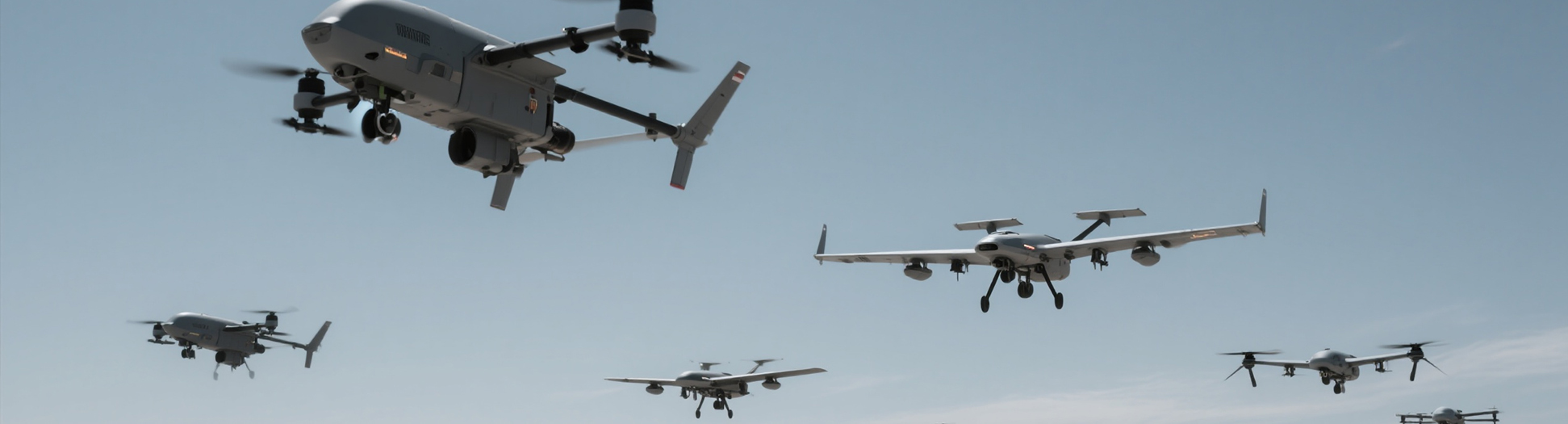
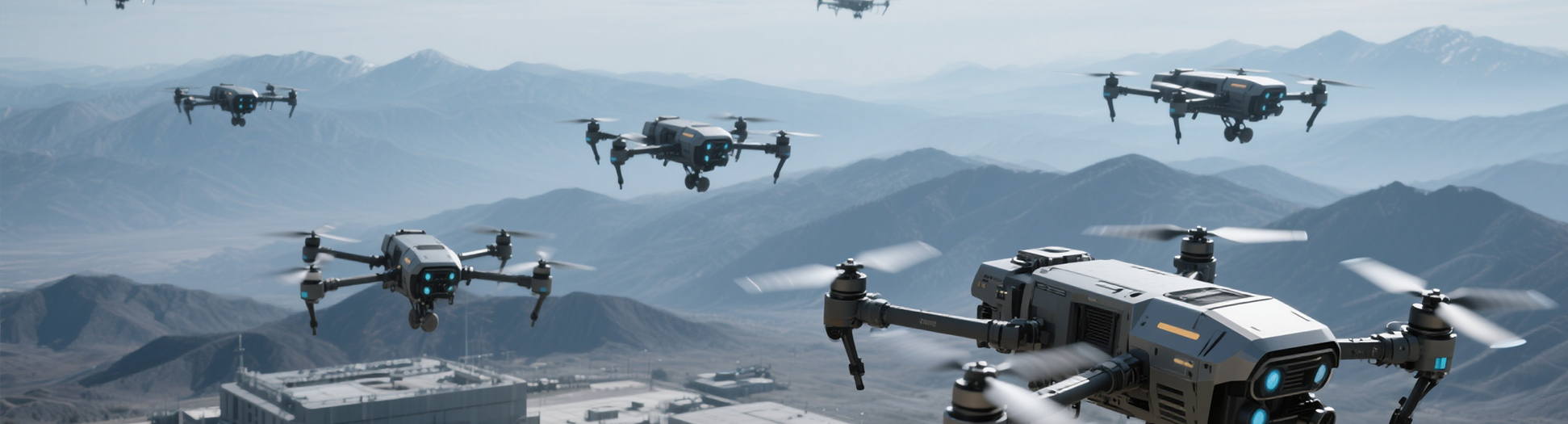
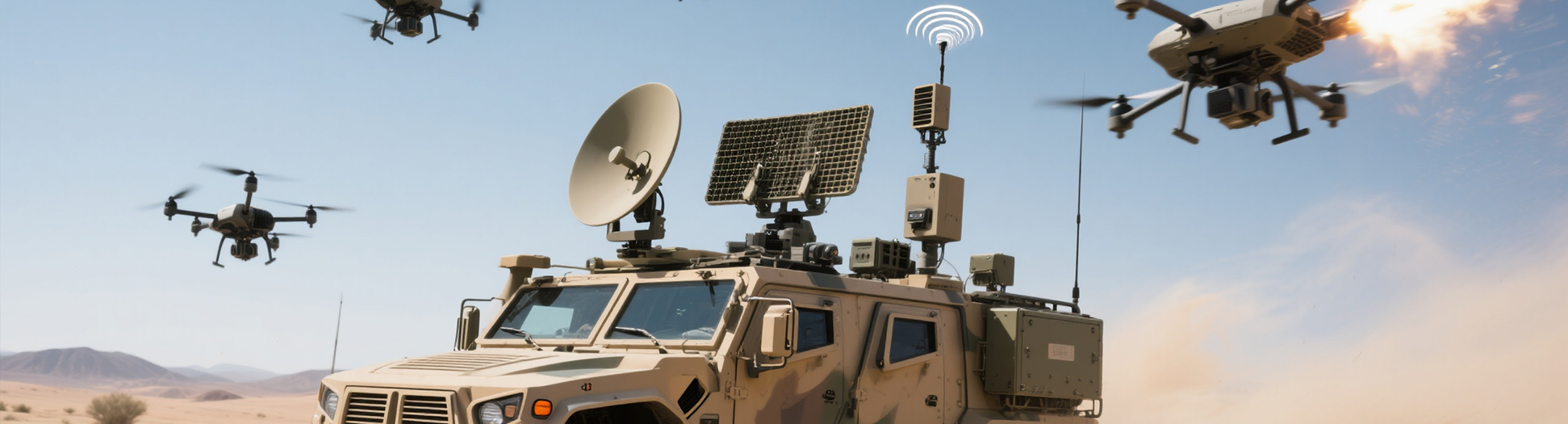
Modern Chinese ship launched uav fully integrates with a ship’s Combat Management System (CMS), facilitating seamless, secure data sharing across the task force via robust datalinks. Onboard mission operators manage the drone’s flight path and sensors, receiving live radar imagery, high-definition video, and precise geolocation data for immediate tactical decision-making. Chinese engineers are increasingly incorporating autonomous flight control, resilient navigation technology for GPS-denied zones, and cooperative swarm capabilities. Consequently, these developments allow the PLAN to pursue smarter, faster, and more responsive maritime security and combat operations, paving the way for distributed and unmanned warfare concepts.