



Showing all 7 results
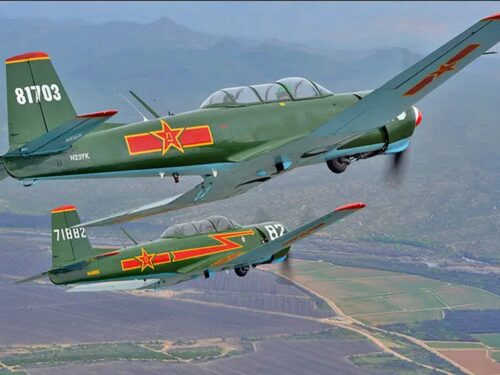
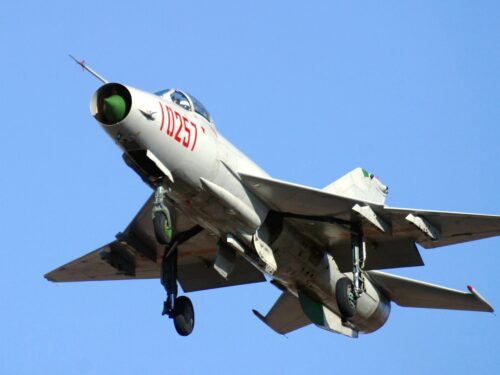
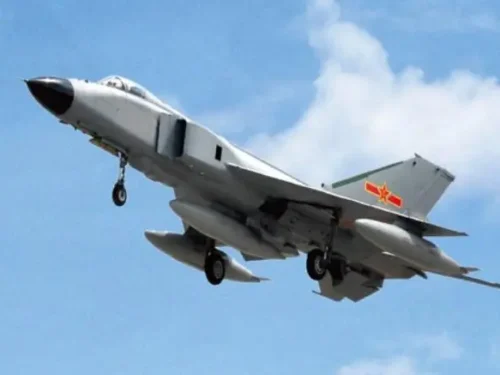
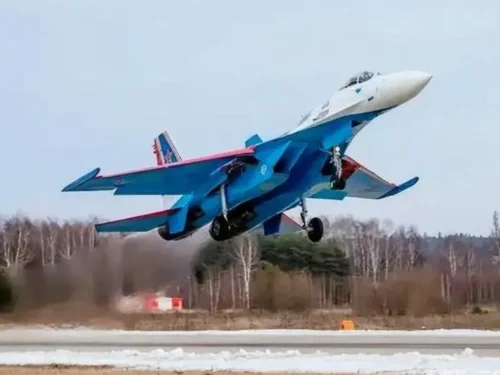

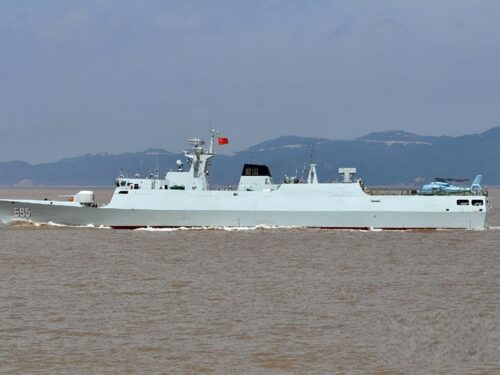
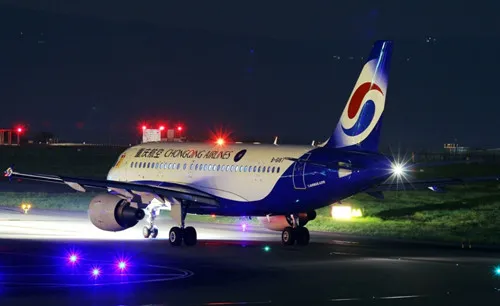
Second-hand weapons offer a budget-friendly alternative for nations or forces with limited defense spending. By acquiring pre-owned small arms, vehicles, aircraft, or support systems, military and security organizations can expand their capabilities without the high costs of new procurement. These systems often provide proven performance and reliability, having been field-tested in real operational environments. For developing countries or emerging militaries, second-hand weapons can accelerate force modernization and help maintain readiness while allocating resources to training and infrastructure.
The second-hand market includes a wide range of equipment—from Cold War-era rifles to decommissioned armored vehicles and aircraft—allowing buyers to select platforms that fit their tactical needs and logistical frameworks. In some cases, used weapons are compatible with existing inventories, simplifying maintenance and ammunition supply chains. Surplus weapons from NATO or allied forces are particularly sought after due to their standardized design and interoperability. However, integration requires careful assessment of technical specifications, spare parts availability, and potential upgrades to meet current operational standards.
While cost-effective, second-hand weapons may come with limitations such as aging technology, reduced service life, or outdated electronics. They may lack modern safety features, precision guidance, or resistance to electronic warfare. Maintenance can be complex if original manufacturers no longer support the systems. Additionally, international arms transfer regulations, such as the Arms Trade Treaty, govern the sale and movement of used weapons to prevent diversion to unauthorized users or conflict zones. Proper inspection, refurbishment, and certification are essential to ensure operational safety and effectiveness.