



Showing 193–204 of 243 results



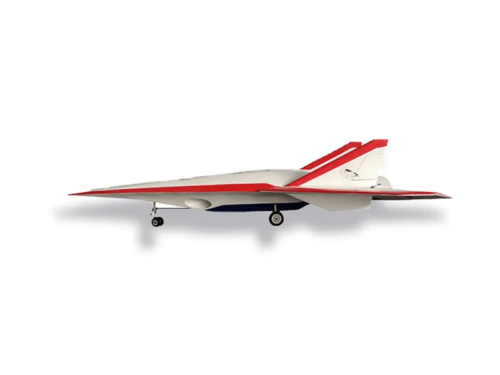
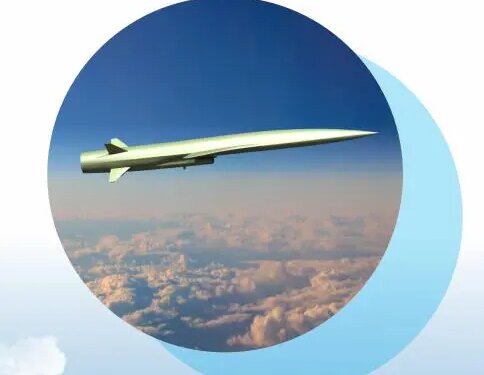


Unmanned Aerial Vehicles (UAVs), commonly called military drones, now form a core element of modern defense strategies. These aircraft operate remotely or completely autonomously. They execute a broad spectrum of military tasks, ranging from intelligence, surveillance, and reconnaissance (ISR) to combat strikes and logistical support. Equipping them with cutting-edge sensors, high-resolution cameras, and precision-guided munitions gives forces real-time awareness and strike capability without risking pilot lives. Drones’ ability to sustain flight over target areas for long periods makes them essential for persistent surveillance and rapid reaction missions.
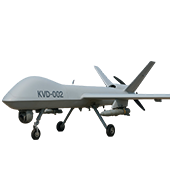
A military drone, or UAV, is a remotely piloted or self-flying aircraft designed for military applications. They are highly sophisticated systems that integrate aerospace engineering, advanced computing, and diverse sensor technology. Their primary function is to gather critical intelligence, provide battlefield oversight, and, in some variants, deliver precision firepower. These unmanned assets are rapidly replacing or augmenting traditional manned aircraft because they can operate in high-threat environments for extended periods.
Military drones vary significantly in size, endurance, and operational role. Forces primarily classify them by their capability and operational ceiling. Small tactical UAVs, like the RQ-11 Raven, offer portability and immediate battlefield reconnaissance for ground troops. Larger, strategic platforms, such as the MQ-9 Reaper and the RQ-4 Global Hawk, are known as High-Altitude, Long-Endurance (HALE) systems. These strategic UAVs can operate at altitudes over 60,000 feet for more than 30 hours. Some advanced combat models also integrate stealth technology and artificial intelligence for autonomous target recognition, significantly boosting mission effectiveness.
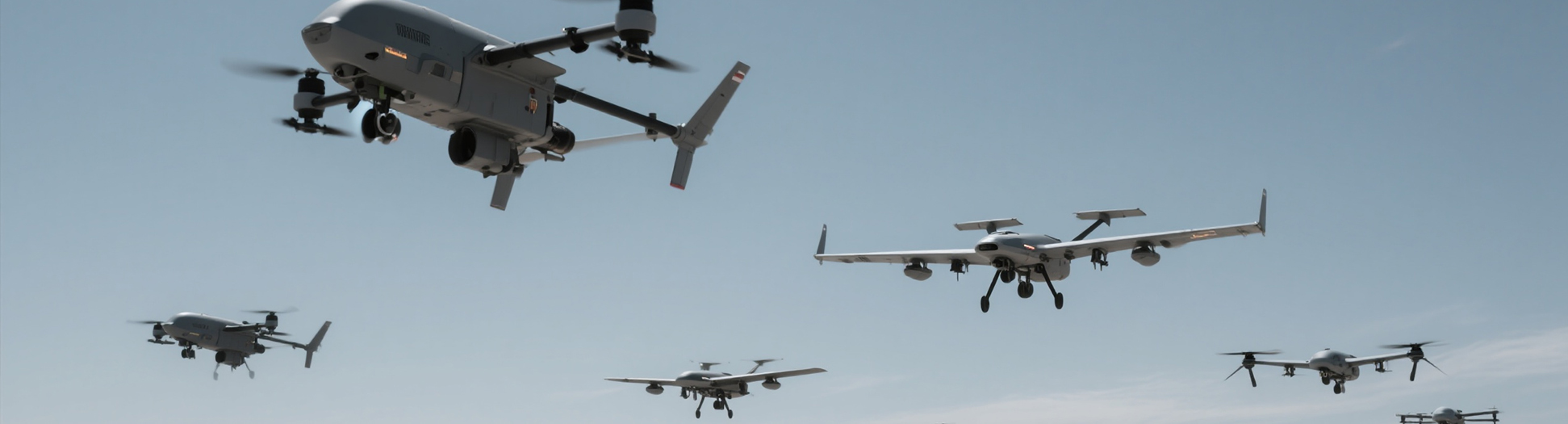
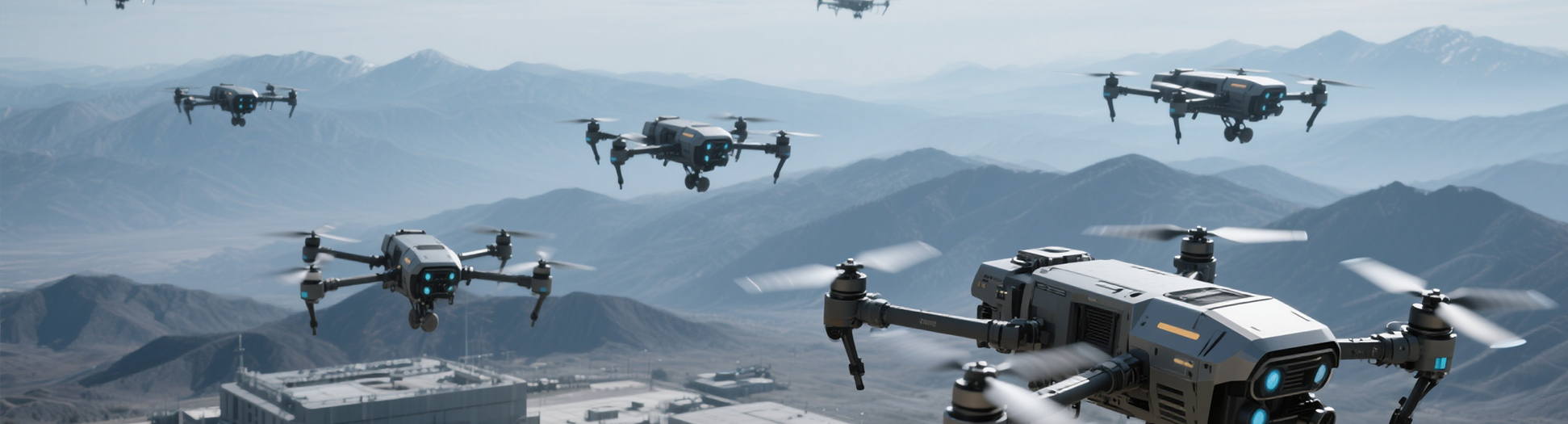
Drones perform pivotal roles across all domains of contemporary military engagement. They are crucial for pre-mission intelligence gathering and monitoring enemy movements. Special operations forces utilize micro-drones for rapid urban reconnaissance. Naval forces deploy UAVs for maritime patrol and anti-submarine warfare. Combat-capable drones conduct high-precision strikes, minimizing collateral damage. Furthermore, emerging capabilities like drone swarms aim to overwhelm sophisticated enemy air defenses, demonstrating a clear shift toward distributed and resilient combat architectures.
Drones offer numerous distinct advantages to military forces. Most critically, they execute dangerous missions without placing personnel in harm’s way, preserving human life. Their ability to conduct persistent ISR provides commanders with an unprecedented and continuous view of the operational environment. Drones are generally less expensive to operate than manned aircraft. They also feature superior loiter time and often possess a smaller radar signature, enhancing mission stealth. This combination of cost-effectiveness, reduced risk, and continuous presence makes them indispensable assets in modern defense.
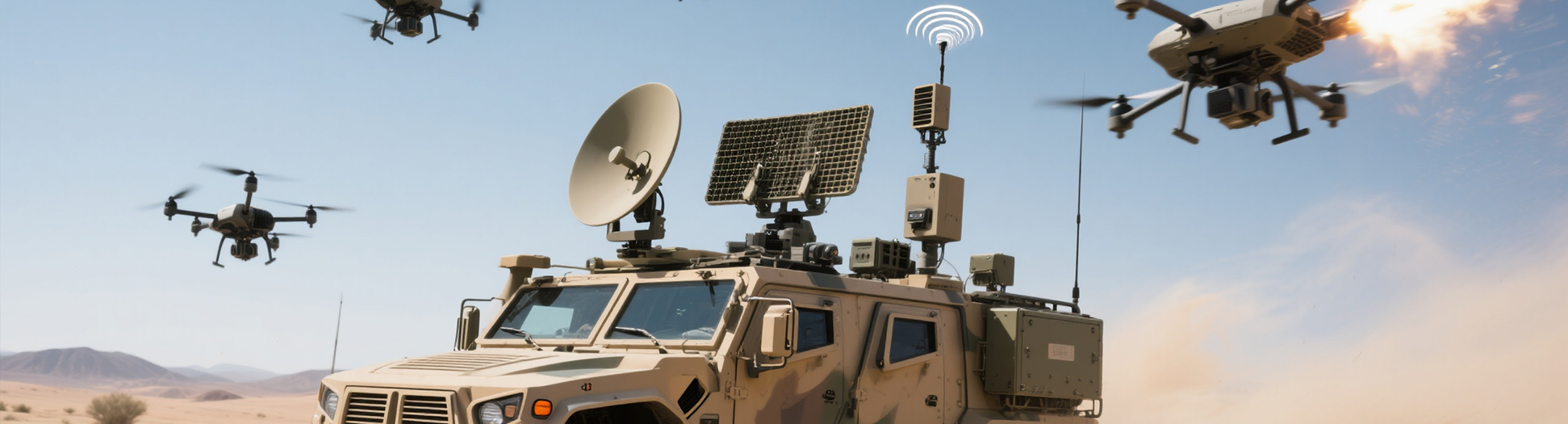
Cybersecurity and AI-driven decision-making remain key areas of development to counter electronic warfare threats. Next-generation systems will integrate with manned aircraft in “loyal wingman” configurations, acting as powerful force multipliers and ensuring that UAVs continue to redefine the future of aerial combat.