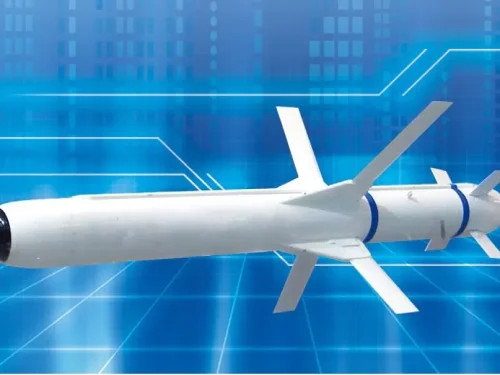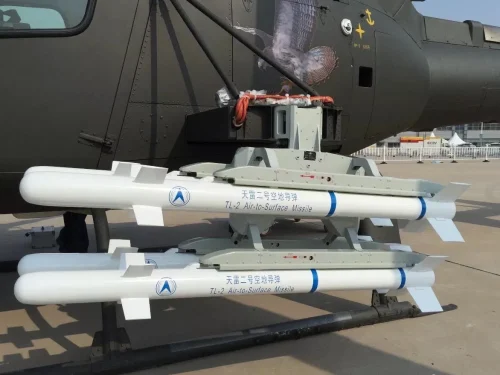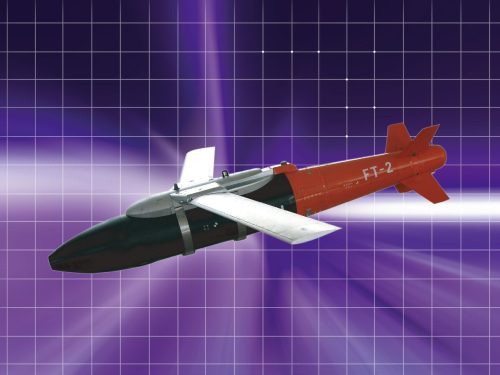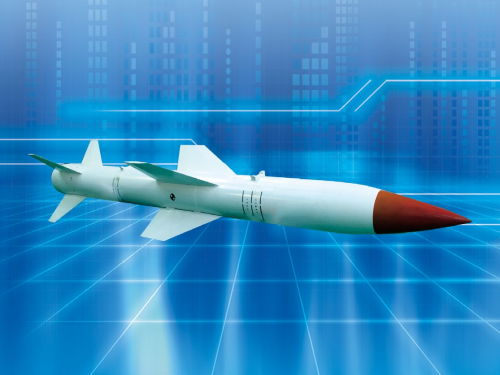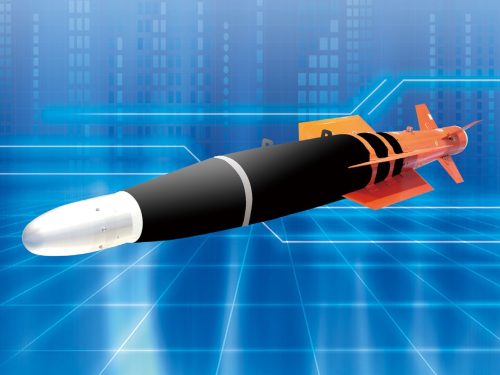

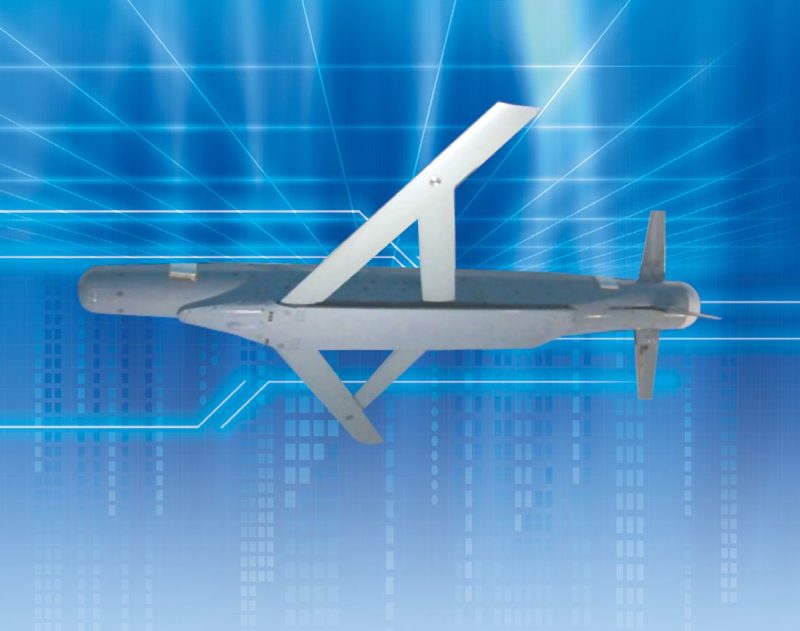
The FT-7 (Fei Teng , meaning “Soar” or “SkyRocket”) is a Chinese precision-guided glide bomb kit. Its defining characteristic, as indicated by its name, is its focus on extended range. It is designed to be attached to a standard 100 kg (220 lb) general-purpose bomb body, converting it into a highly accurate stand-off weapon.
Key Characteristics and Capabilities:
-
Guidance System: It uses a GPS/INS (Global Positioning System/Inertial Navigation System) guidance kit. This allows it to strike pre-programmed coordinates with high accuracy in all weather conditions, day or night. The use of GPS/INS makes it a cost-effective “fire-and-forget” weapon once launched.
-
Warhead: It is a guidance kit, not a complete bomb. It is designed to be attached to a standard 100 kg (220 lb) Mk-83 type high-explosive bomb warhead. This warhead size is effective against a wide range of targets, including soft-skinned vehicles, artillery positions, small buildings, and command posts.
-
Range Extension (The Key Feature): The FT-7’s most important attribute is its large, long-span glide wings. These wings generate significant lift, allowing the bomb to glide for long distances after release.
-
Reported Range: Estimates suggest a range of up to 90 kilometers (56 miles) when released from high altitude (e.g., 10-12 km / 30-40,000 ft) and high speed.
-
This stand-off range is its primary tactical advantage, allowing the launch aircraft to stay well away from enemy air defenses.
-
-
Launch Platform: It can be integrated on a wide variety of Chinese tactical aircraft, including the Chengdu J-10, Shenyang J-11/B/BS, J-16, and the Xian JH-7/A fighter-bomber.
Comparison with Similar Weapons:
The FT-7 is part of a family of weapons, each with a distinct role. The “A” in FT-7A likely denotes an improved variant, possibly with enhanced guidance (like a laser seeker) or improved aerodynamics.
| Feature | FT-7 (Range-Extended) | FT-7A (Precision Guided) | FT-8 (250kg) | US GBU-39/B SDB I |
|---|---|---|---|---|
| Primary Role | Long-Range Stand-Off Strike | Versatile Point Target Strike | General Purpose Strike | Low-Collateral, High-Capacity Strike |
| Key Feature | Very Long Range (~90km) | Balanced Effects (100kg warhead) | Larger Warhead (250kg) | Small Warhead, High Accuracy |
| Warhead | 100 kg | 100 kg | ~250 kg | ~50 kg |
| Guidance | GPS/INS | GPS/INS (Laser option likely) | GPS/INS | GPS/INS |
-
FT-7 vs. FT-7A: This is the most nuanced comparison. The standard FT-7 appears to be optimized specifically for maximum glide range with a 100kg warhead. The FT-7A might be a variant that prioritizes other features, such as a more sophisticated seeker (e.g., laser) for engaging moving targets, potentially at a slight cost to its maximum range. They are part of the same family but may be optimized for slightly different mission sets.
-
vs. the FT-8: The FT-7 uses a 100kg warhead for longer range and lighter weight. The FT-8 uses a 250kg warhead for greater destructive power but at a shorter range. It’s a trade-off between range and explosive effect.
-
vs. the US SDB I: Both are glide bombs designed for accuracy and to be carried in large numbers. The SDB I is smaller (50kg warhead) and has a more advanced, aerodynamic shape for penetration. The FT-7 has a larger warhead (100kg) and its large wings give it a much longer published glide range.
Strategic Significance:
The FT-7 is significant because it:
-
Provides Mass Stand-Off Capability: It offers a relatively inexpensive way to equip a large fleet of aircraft with a long-range strike capability. A single J-16 can carry many FT-7s, creating a formidable “bomb truck” able to engage multiple targets from a safe distance.
-
Degrades Enemy Air Defenses: Its long range allows aircraft to launch attacks from outside the engagement zone of many short and medium-range surface-to-air missile (SAM) systems, thereby enhancing aircraft survivability and suppressing enemy air defenses.
-
Leverages Existing Stockpiles: Like the JDAM kit, it allows China to modernize its vast stockpile of unguided 100kg bombs into precision weapons quickly and cost-effectively.
-
Complements Heavier Munitions: It fills a specific niche between the smaller, ultra-precise FT-9 and the larger, more powerful FT-8, giving mission planners a flexible range of options.
In summary, the FT-7 is a long-range, 100 kg precision glide bomb kit whose primary design goal is to provide a cost-effective, mass-produced stand-off strike capability for the PLAAF and PLANAF. It allows Chinese tactical aircraft to engage targets with precision from distances that keep them safe from a significant portion of enemy air defenses.