




Showing 1–12 of 30 results

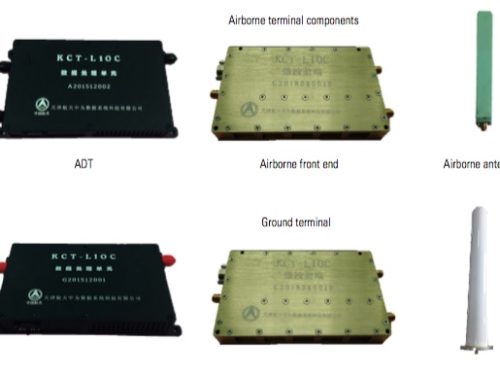
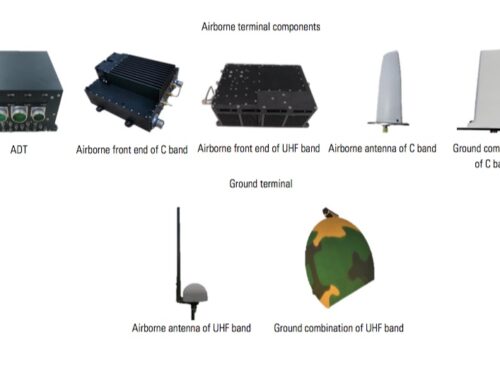


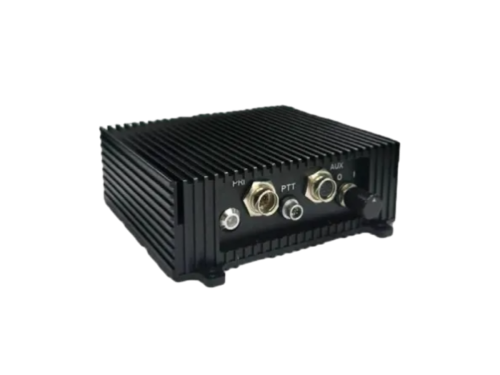
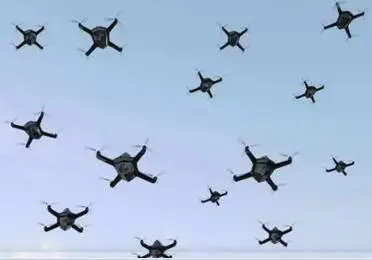

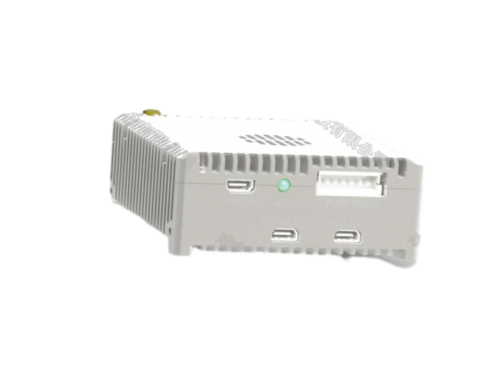

Drones rely on data links to maintain communication between the unmanned aircraft and the ground control station. These wireless connections transmit command and control (C2) signals, allowing operators to pilot the drone and adjust mission parameters in real time. Simultaneously, they enable the downlink of critical flight telemetry, such as position, altitude, battery status, and sensor data, ensuring situational awareness and safe operation.
Drone data links operate across various frequency bands, including 900 MHz, 2.4 GHz, and 5.8 GHz, with some military systems using L-band or satellite links for extended range. Analog and digital RF links are common in consumer and commercial drones, while secure, encrypted spread-spectrum or frequency-hopping technology is used in defense applications to resist jamming and interception. Long-range missions may employ 4G/5G or satellite-based data links for beyond visual line of sight (BVLOS) operations.
Modern data links support high-bandwidth video streaming, essential for real-time surveillance, search and rescue, or live broadcasting. Digital links like COFDM (Coded Orthogonal Frequency Division Multiplexing) ensure reliable video transmission in urban or obstructed environments. For sensitive operations, encrypted data links protect against eavesdropping and unauthorized access, making them vital for military, law enforcement, and critical infrastructure missions.